Getting around
Trains & stations
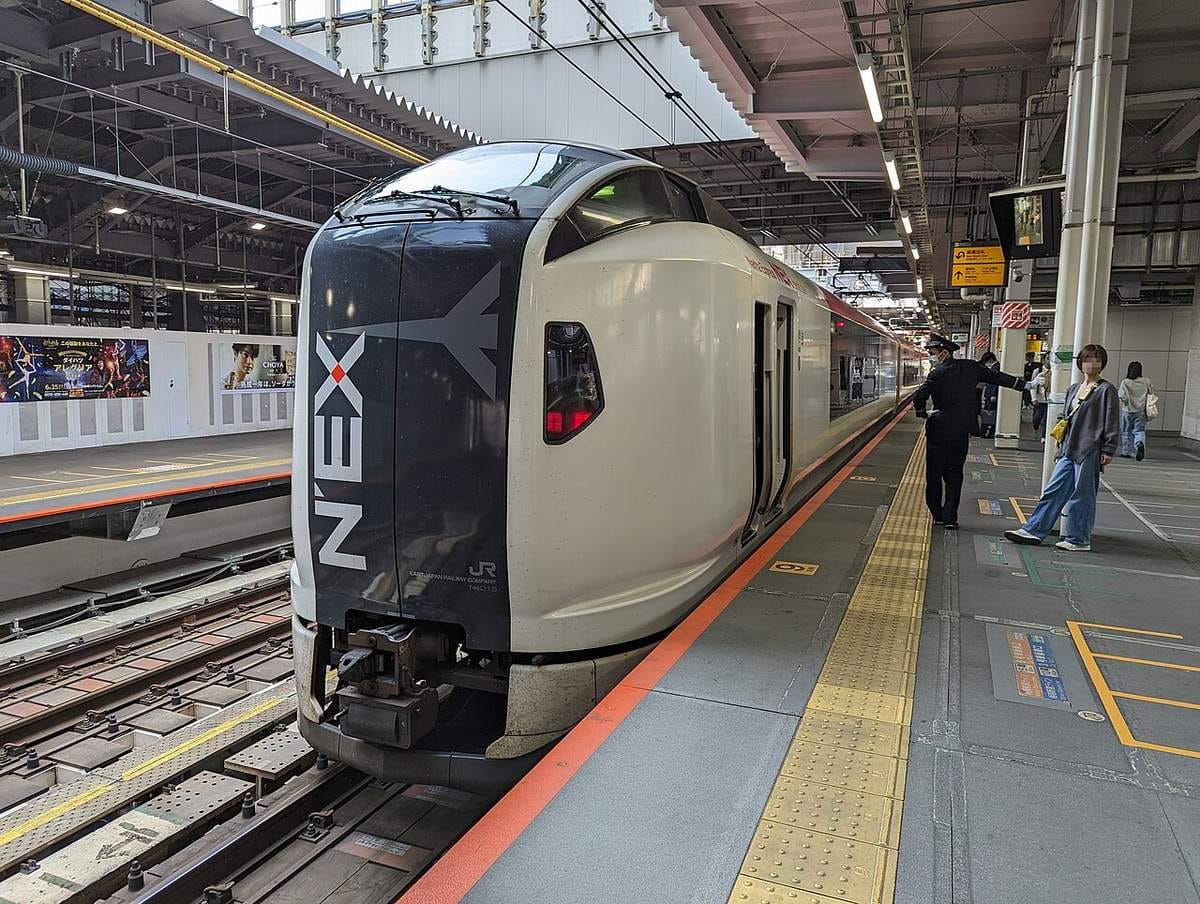
Japanese trains are punctual, clean and quiet. Most of the rules are about keeping things moving and keeping noise down.
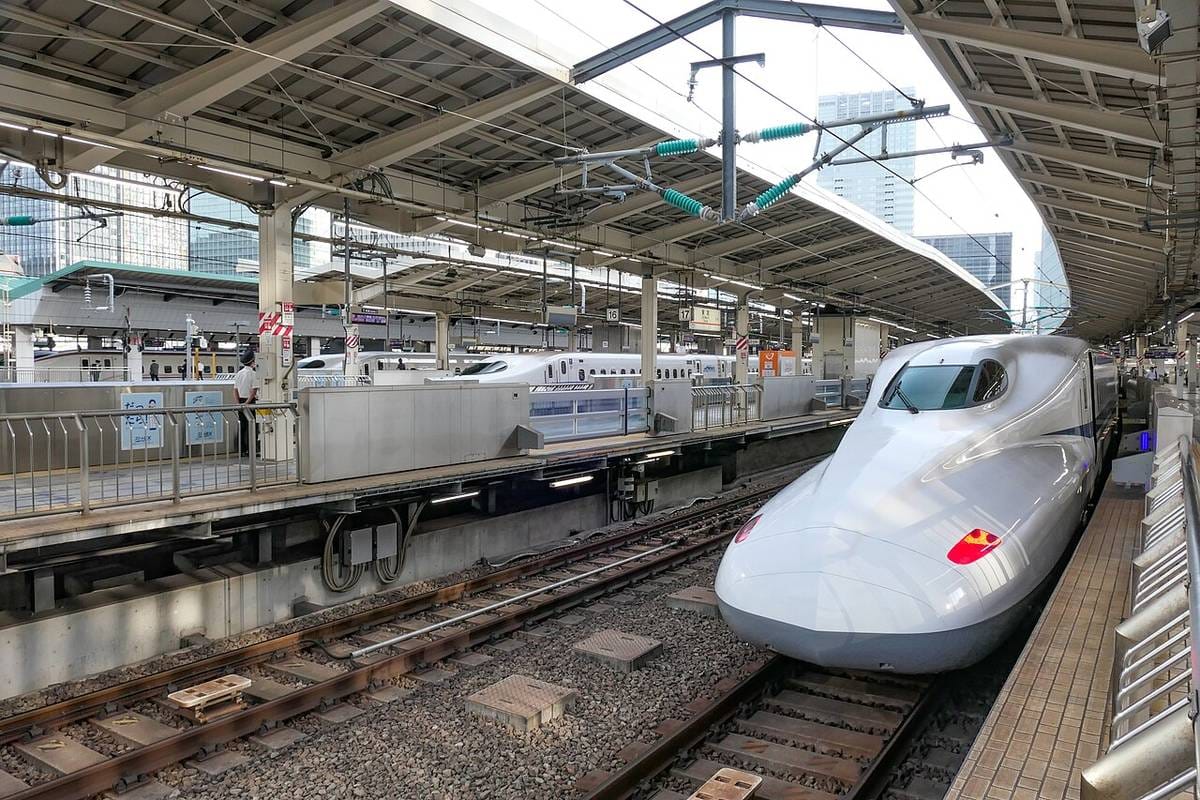
Photo: MaedaAkihiko / Wikimedia Commons (CC BY-SA 4.0)
On the platform
Step by step
Find the marks on the platform floor showing where the doors will stop, and line up there.
Stand to the side of the door and let everyone get off first.
Step in and move toward the middle of the carriage.
Common mistakes
- Standing right in front of the door as it opens.
- Rushing on as the doors close — they don't reopen like lift doors.
Good to know: Show the line below with the station name on your map app. People will happily nod or shake their head.
On board
Step by step
Put your phone on silent (“manner mode”) and keep calls for after you get off.
Take a big backpack off and hold it in front of you or put it on the rack.
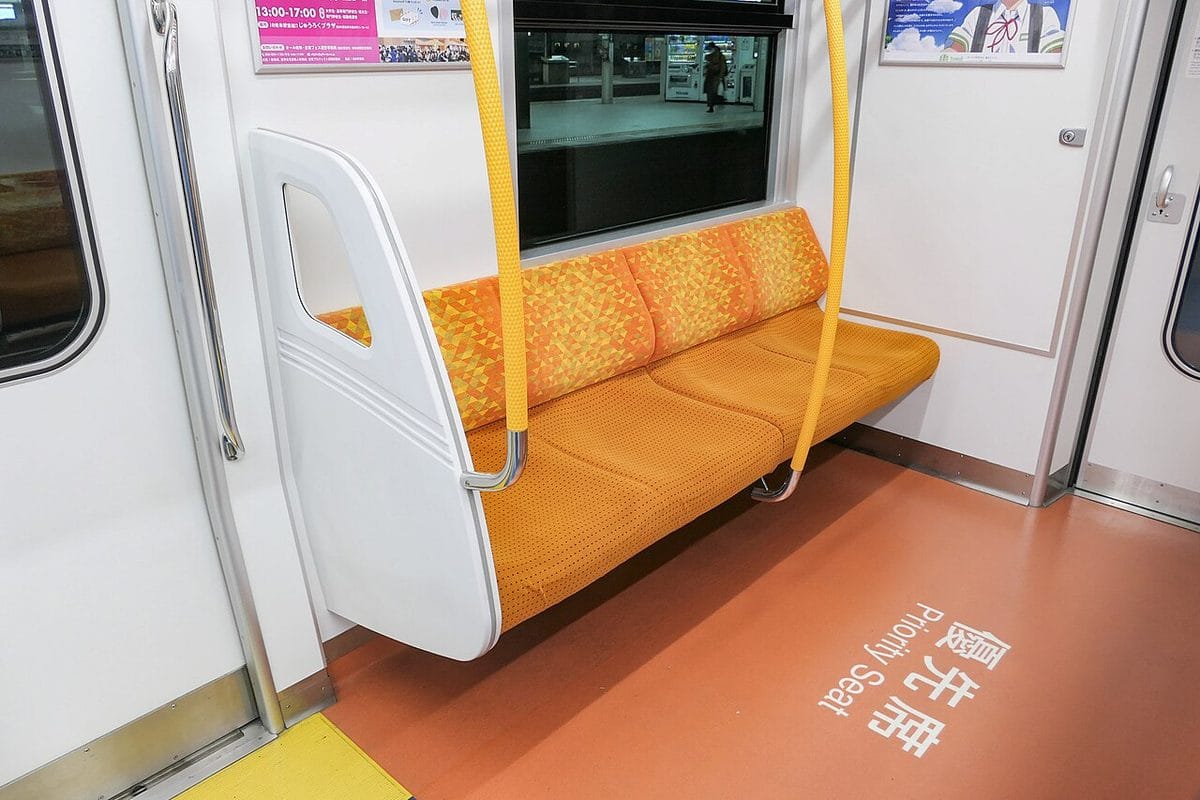
Give priority seats (優先席, yūsenseki) to older people, pregnant women and anyone who needs them.
Common mistakes
- Talking loudly or on speakerphone.
- For men: getting into a women-only car (女性専用車) during its hours, usually weekday mornings. Signs on the platform show where and when.
Shinkansen tickets
A shinkansen trip needs a basic fare ticket plus a limited express ticket. Most trains have non-reserved cars (自由席, jiyūseki) and reserved cars (指定席, shiteiseki); some are reserved only.
Step by step
Buy at a JR ticket machine, a ticket office (みどりの窓口), or online. Choose reserved or non-reserved.
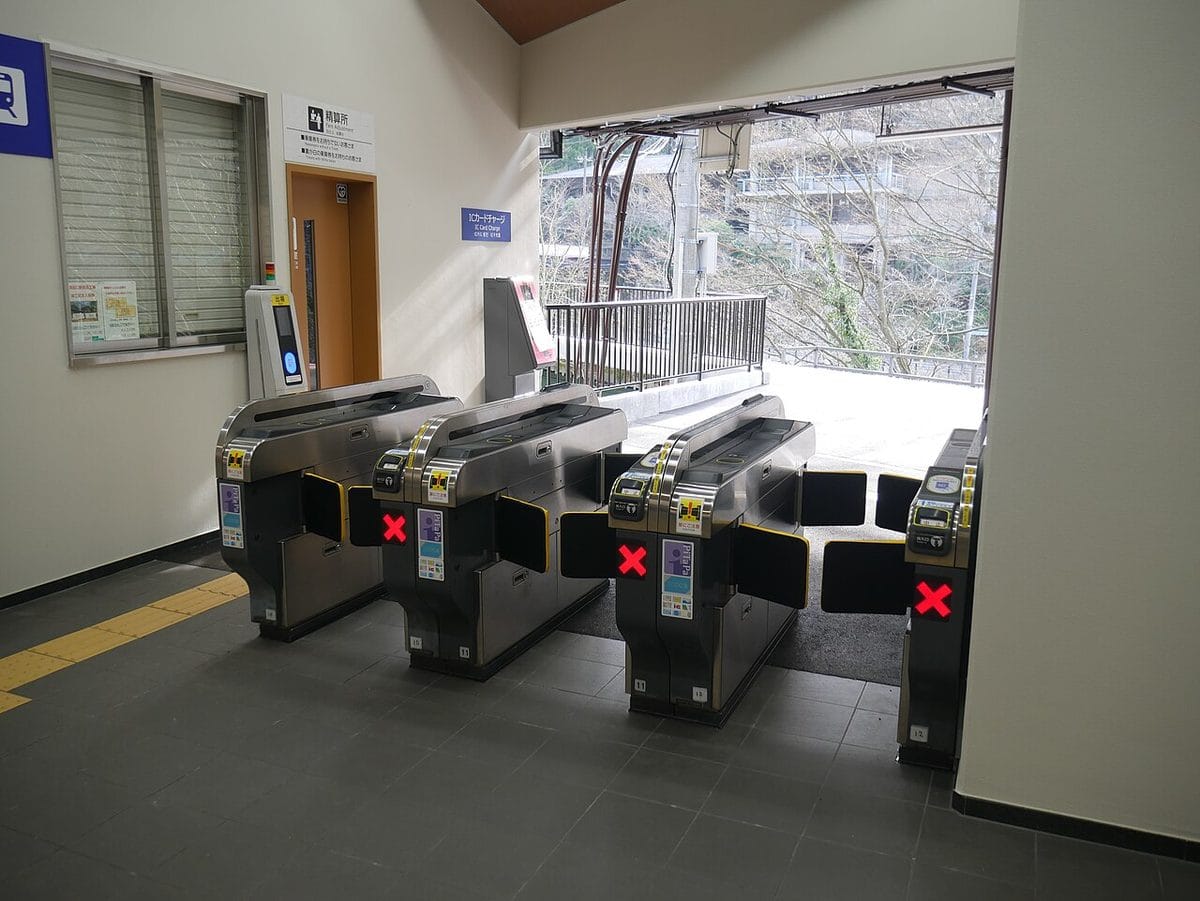
If you get two tickets, put both into the gate together, and take both back.
On the platform, find your car number on the floor or overhead signs and wait there.
Keep the tickets — you need them again at the exit gate.
Common mistakes
- Sitting in a reserved seat with a non-reserved ticket.
- Leaving a ticket in the gate.
Rail passes
Passes such as the Japan Rail Pass can save money on long trips. Check what your pass covers before you buy — some of the fastest shinkansen need an extra ticket on top of a pass — and reserve seats at a JR ticket machine or ticket office once you're in Japan.
Common mistakes
- Buying a pass for a trip that is cheaper with normal tickets — compare first.
Big suitcases on the shinkansen
On the Tokaido, Sanyo and Kyushu shinkansen, a bag whose height, width and depth add up to more than 160 cm needs a reserved seat with an oversized-baggage area. Without one, a 1,000 yen fee is charged on board. Bags over 250 cm can't be taken on.
Step by step
Add up your suitcase's height, width and depth.
Over 160 cm: when you book, choose a seat with an oversized-baggage area (特大荷物スペースつき座席).
Or send the suitcase ahead with a luggage forwarding service (宅配便, takuhaibin) from your hotel.
Common mistakes
- Boarding with a large suitcase and no baggage-area reservation.
The last train
Most city trains stop running around midnight and start again early in the morning. Check the time of the last train (終電, shūden) in your map app before a late night out.
Common mistakes
- Missing the last train and finding a taxi is the only way back.
Escalators
By habit, people stand on the left in Tokyo and on the right in Osaka, leaving the other side clear. Some places, like Saitama and Nagoya, now ask everyone to stand still on both sides.
Common mistakes
- Stopping right at the top of an escalator to check your map.
Food and drink
Eating a bento on the shinkansen and long-distance trains is normal. On local and subway trains, people don't eat — a drink from a bottle is fine.
Common mistakes
- Strong-smelling food on a crowded commuter train.
Sources
Sources (checked 2026-11-04). Facts, numbers and prices on this page come from these official pages.
- Japan National Tourism Organization (JNTO)Japanese Customs and Etiquette (Responsible Travel Guide)(opens in a new tab)JNTO: Japanese customs and etiquette for responsible travel
- Japan National Tourism Organization (JNTO)Japan Travel Planning(opens in a new tab)JNTO: official Japan travel planning pages
- Railway operatorsOversized baggage on the Tokaido Shinkansen (JR Central)(opens in a new tab)JR Central: oversized baggage on the Tokaido Shinkansen
- Railway operatorsHow to use JR-West: tickets and automated gates(opens in a new tab)JR West: buying tickets and using the automatic gates
 NextIC cards (Suica, PASMO, ICOCA)
More in this section
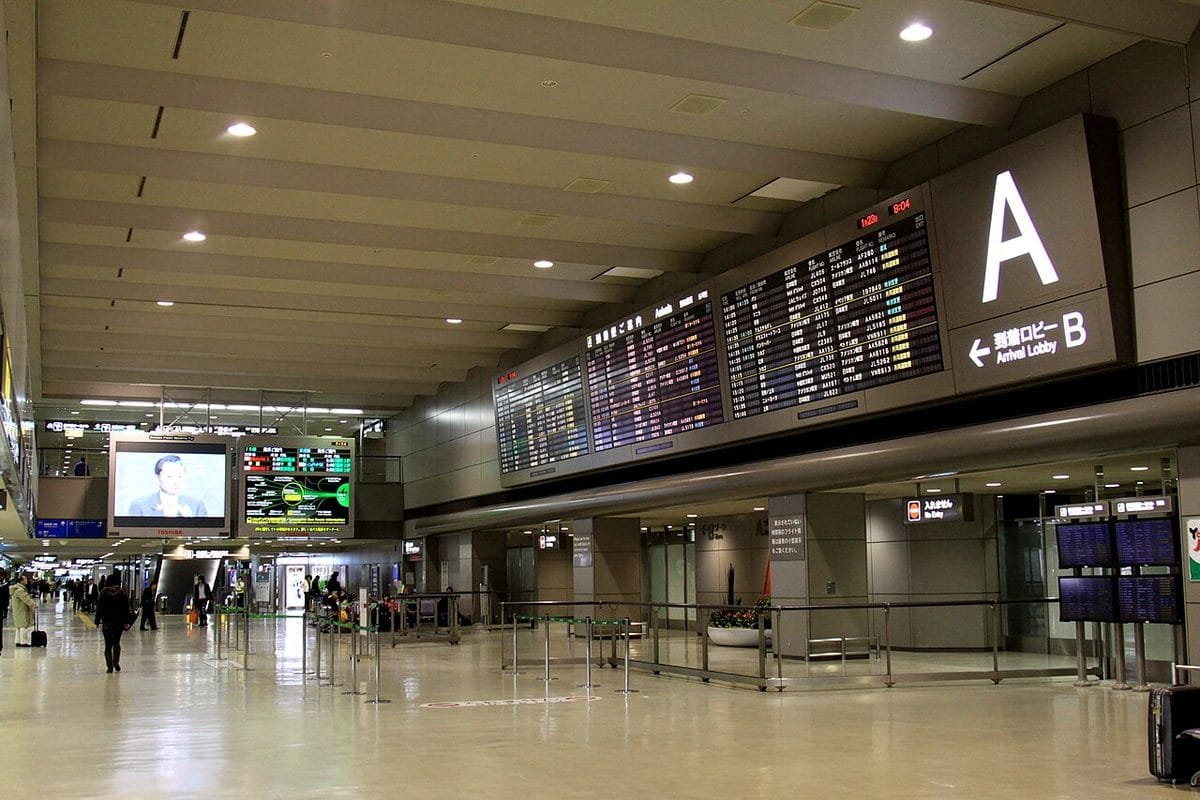 Arriving & leaving JapanImmigration and customs on arrival, and the departure tax.
 Airport to the cityTrains, buses or a taxi from Narita, Haneda and Kansai.
 Driving & cyclingWhich licence you need, driving on the left, and the cycling rules.
 Accessible travelWheelchair help on trains, elevators, accessible toilets and taxis.
 Local busesWhich door, the numbered ticket, and paying when you get off.
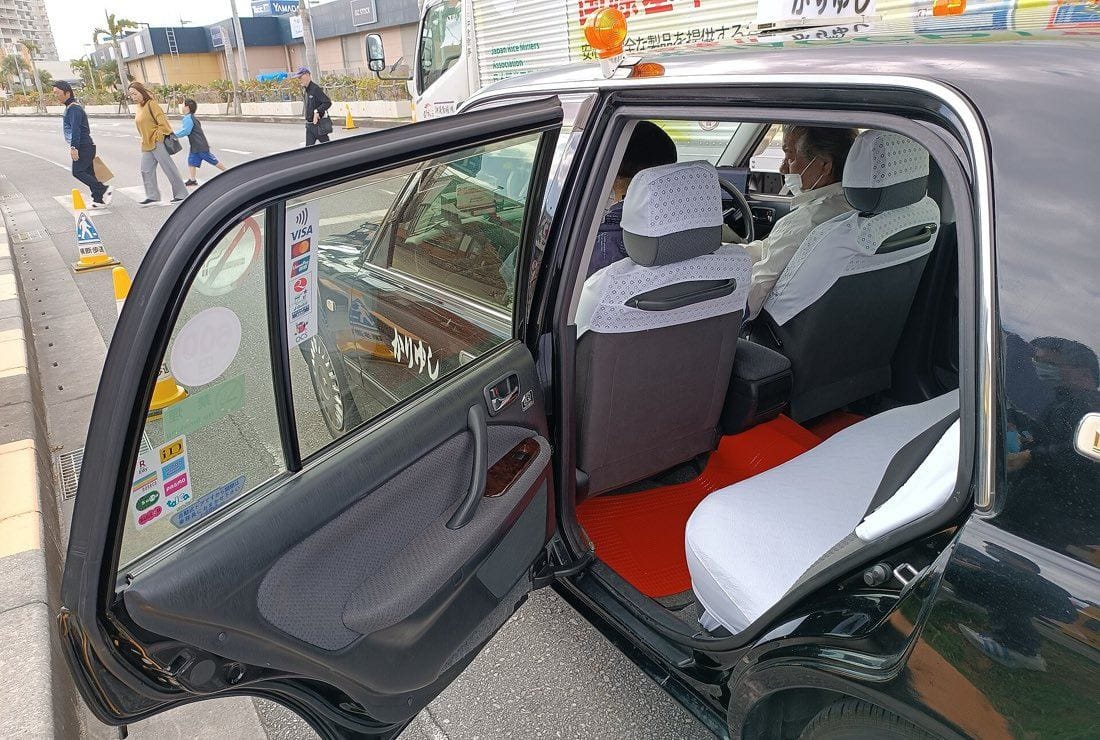 TaxisDoors that open by themselves, and showing where you're going.
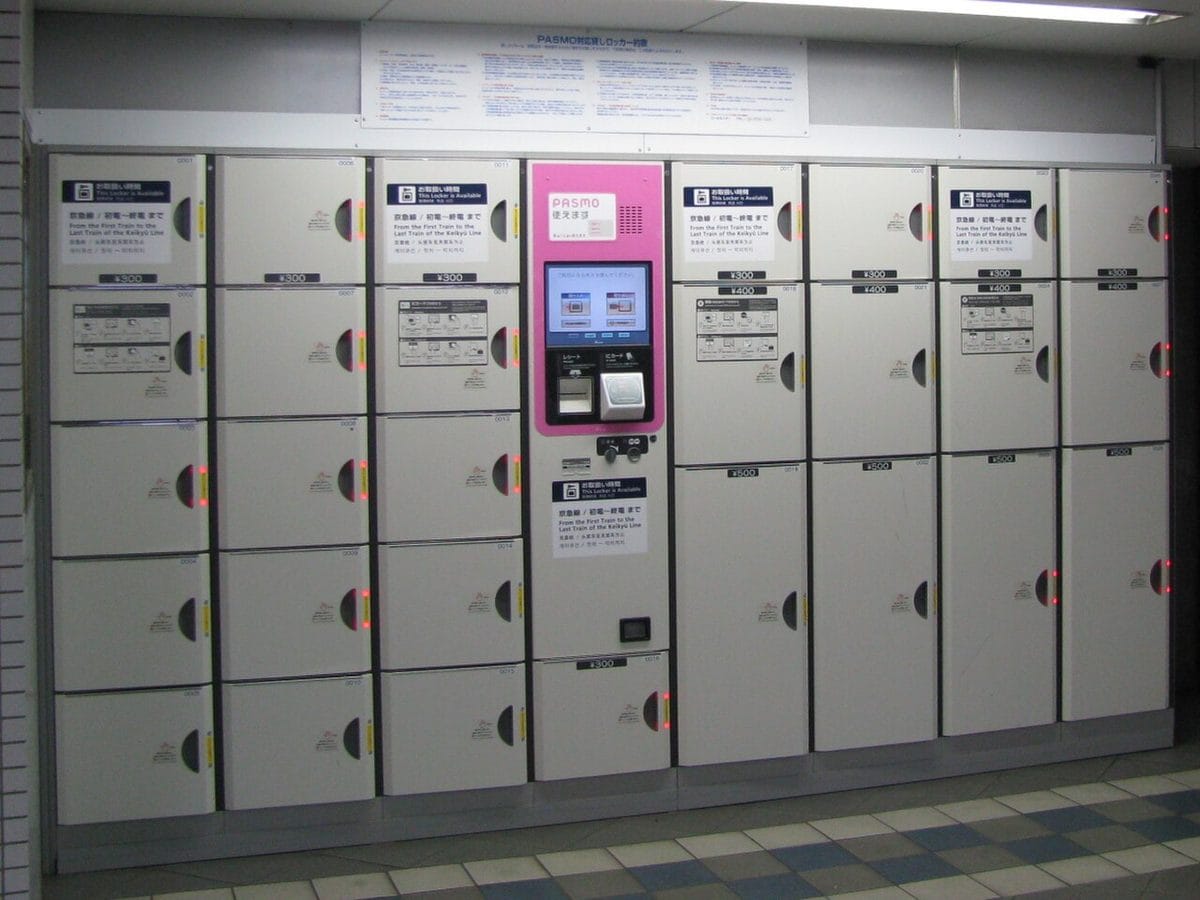 Luggage: lockers & forwardingCoin lockers, sending bags ahead, and big suitcases on trains.