Getting around
Accessible travel
In cities, most big stations have elevators, and station staff can help wheelchair users on and off the train with a portable ramp. Smaller stations, old buildings and rural buses vary, so a little planning helps.
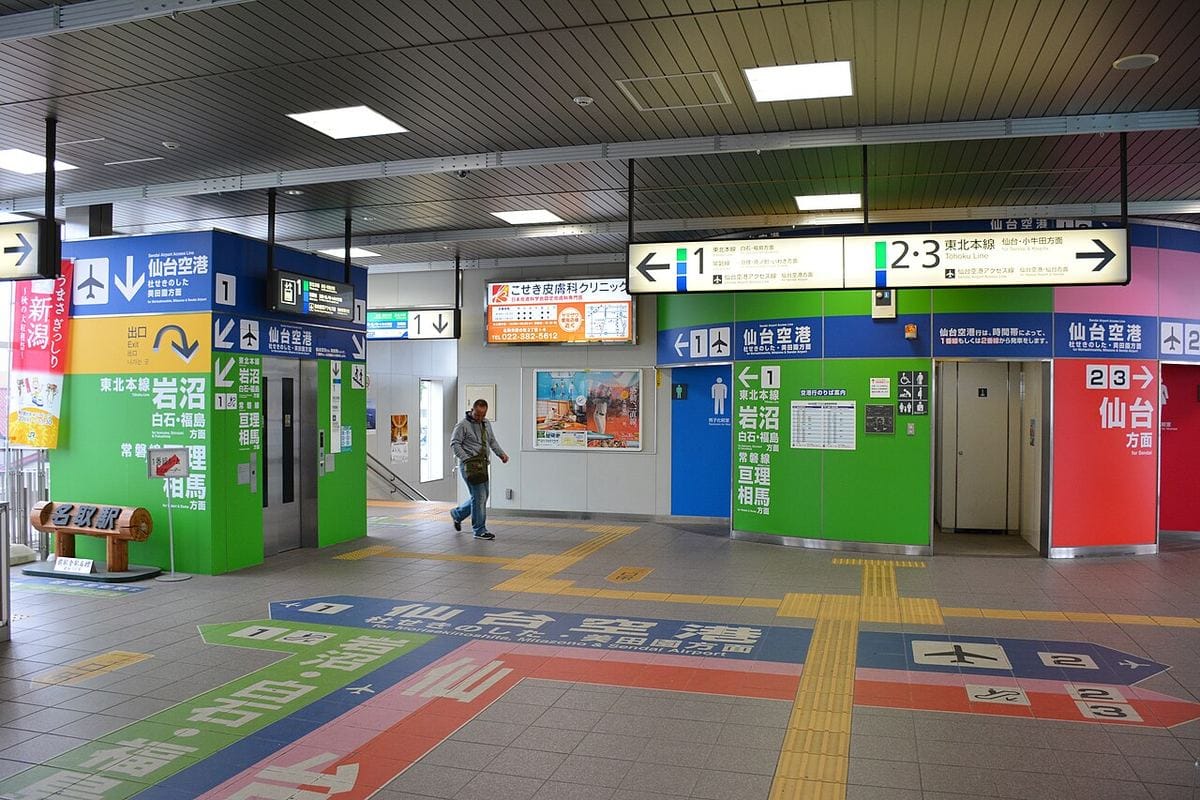
Photo: Cheng-en Cheng / Wikimedia Commons (CC BY-SA 2.0)
Getting on a train
Step by step
At the ticket gate, tell the station staff where you are going — the line below helps.
Staff bring a ramp to the train door and help you on.
They phone your destination station, and staff there meet you at the door.
Allow extra time — at busy hours you may be asked to wait for a less crowded train.
Common mistakes
- Arriving at the platform just before the train leaves — the staff need a few minutes to arrange help.
Elevators and step-free routes
- Most big stations have elevators between the street, the gates and the platforms; follow the elevator signs (エレベーター).
- Elevators can be at one end of the platform, so check which car stops nearest.
- Railway websites often show station maps with elevator locations.
Good to know: Big stations have several exits, and not every one has an elevator — ask which exit does.
Accessible toilets
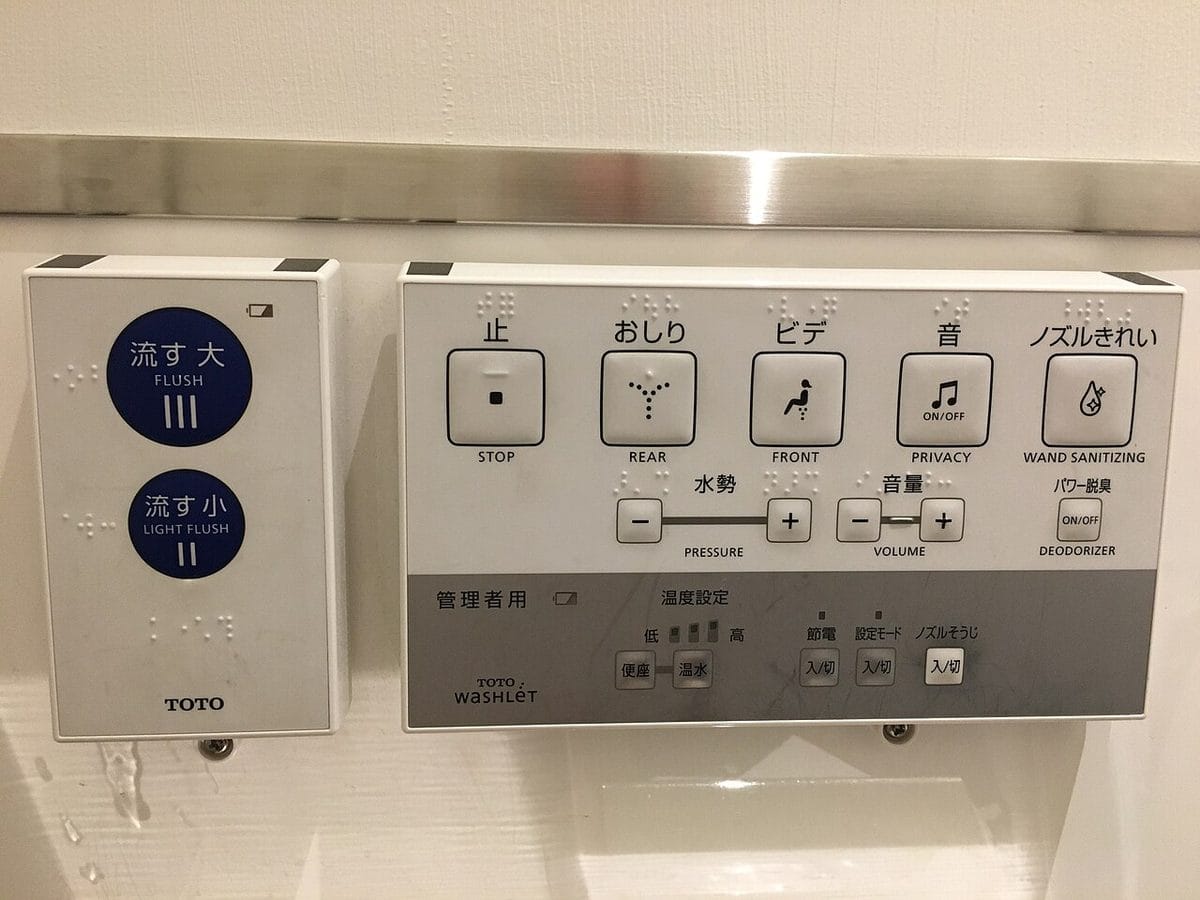
Multipurpose toilets (多機能トイレ) are large rooms with handrails, and often a baby-changing table. You find them in stations, department stores, airports and many public buildings.
Step by step
Look for the wheelchair symbol, or ask with the line below.
Inside, the panel has a flush button and an emergency call button — the call button is usually red.
Common mistakes
- Pressing the red call button to flush — look for the button marked 流す (flush).
Taxis and hotels
- Standard taxis may not fit a large or electric wheelchair; some taxis are designed for wheelchairs and can be booked.
- Book an accessible hotel room ahead — newer hotels are more likely to have them.
- Ask the hotel about steps at the entrance and the bathroom layout before you book.
Planning ahead
Step by step
Read JNTO's accessibility page for routes and resources.
Check each station and sight you plan to visit for elevators.
Keep the Japanese lines on this page ready to show.
Sources
Sources (checked 2026-11-05). Facts, numbers and prices on this page come from these official pages.
- Japan National Tourism Organization (JNTO)Accessibility in Japan(opens in a new tab)JNTO: accessible travel in Japan
- JR EastJR East: Accessibility(opens in a new tab)JR East: accessibility support at stations and on trains
 NextLocal buses
More in this section
 Arriving & leaving JapanImmigration and customs on arrival, and the departure tax.
 Airport to the cityTrains, buses or a taxi from Narita, Haneda and Kansai.
 Trains & stationsQueues on the platform, quiet carriages and priority seats.
 IC cards (Suica, PASMO, ICOCA)Which card to get, tapping through the gate, topping up.
 Driving & cyclingWhich licence you need, driving on the left, and the cycling rules.
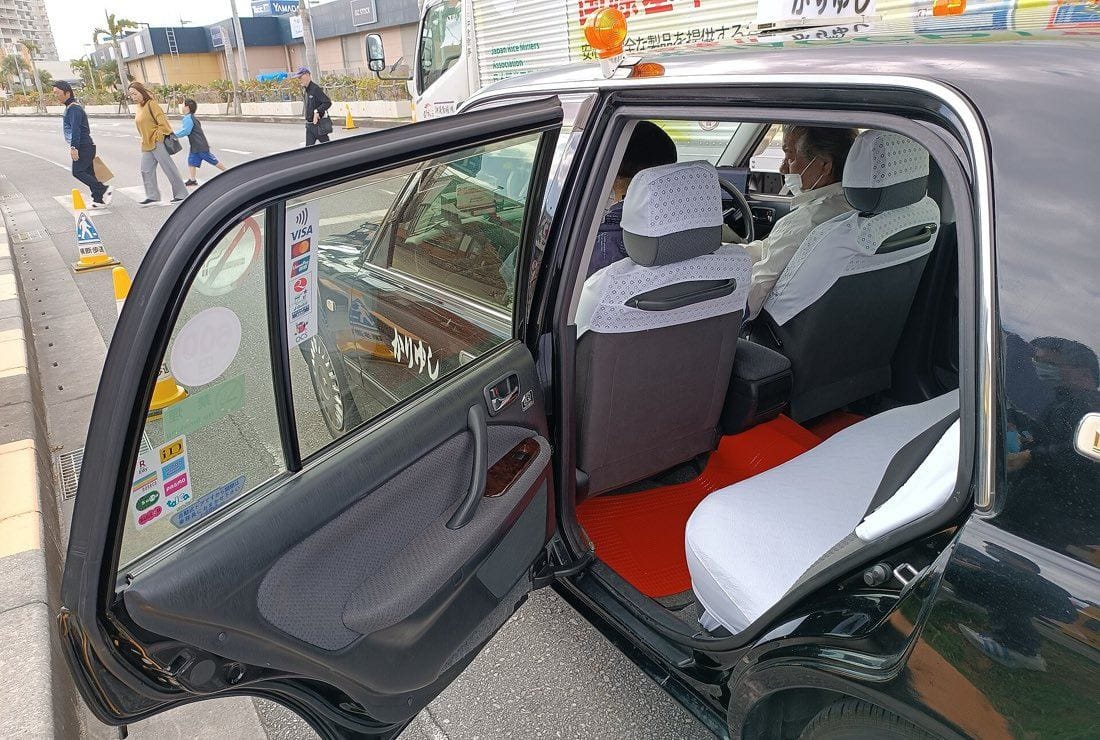 TaxisDoors that open by themselves, and showing where you're going.
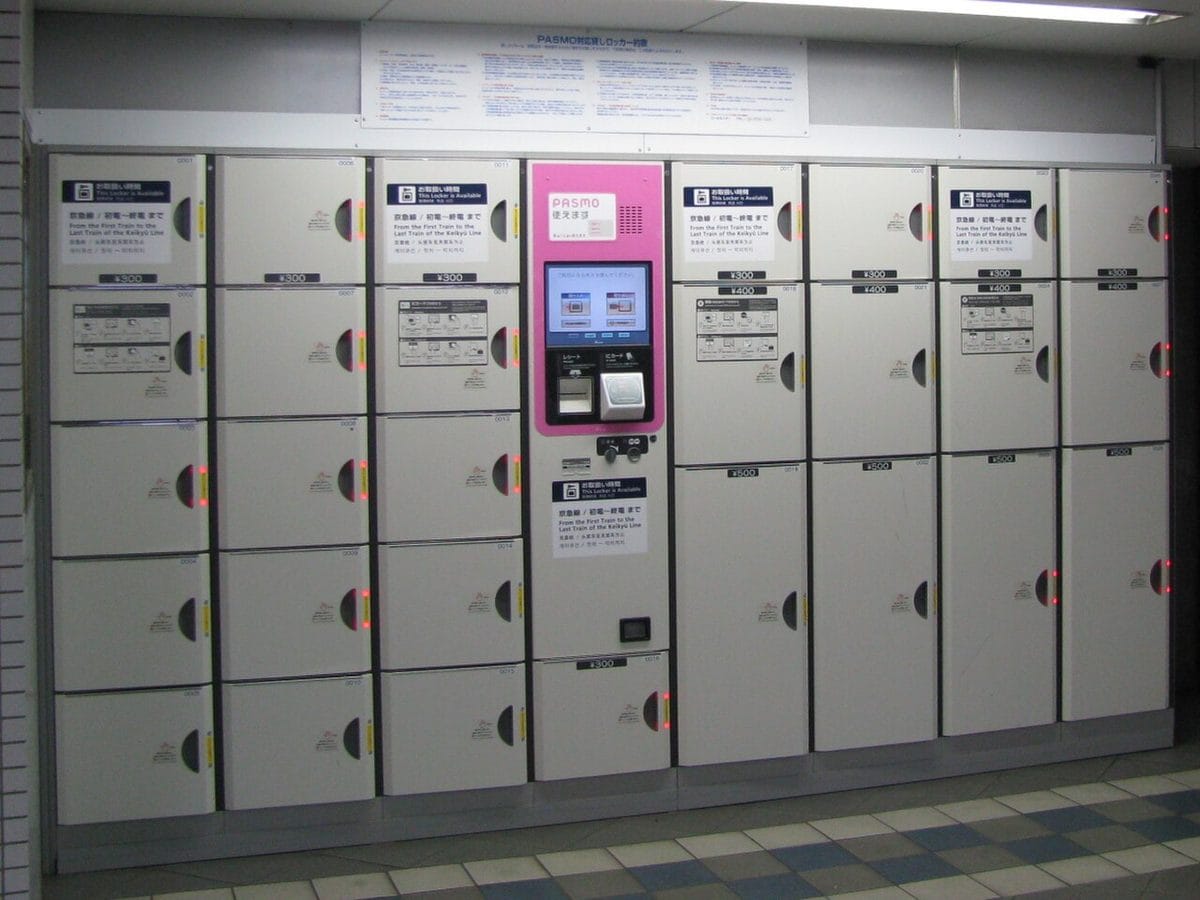 Luggage: lockers & forwardingCoin lockers, sending bags ahead, and big suitcases on trains.