Getting around
Taxis
Taxis are clean, safe and metered. Drivers may not speak your language, so the trick is having the destination ready in Japanese.
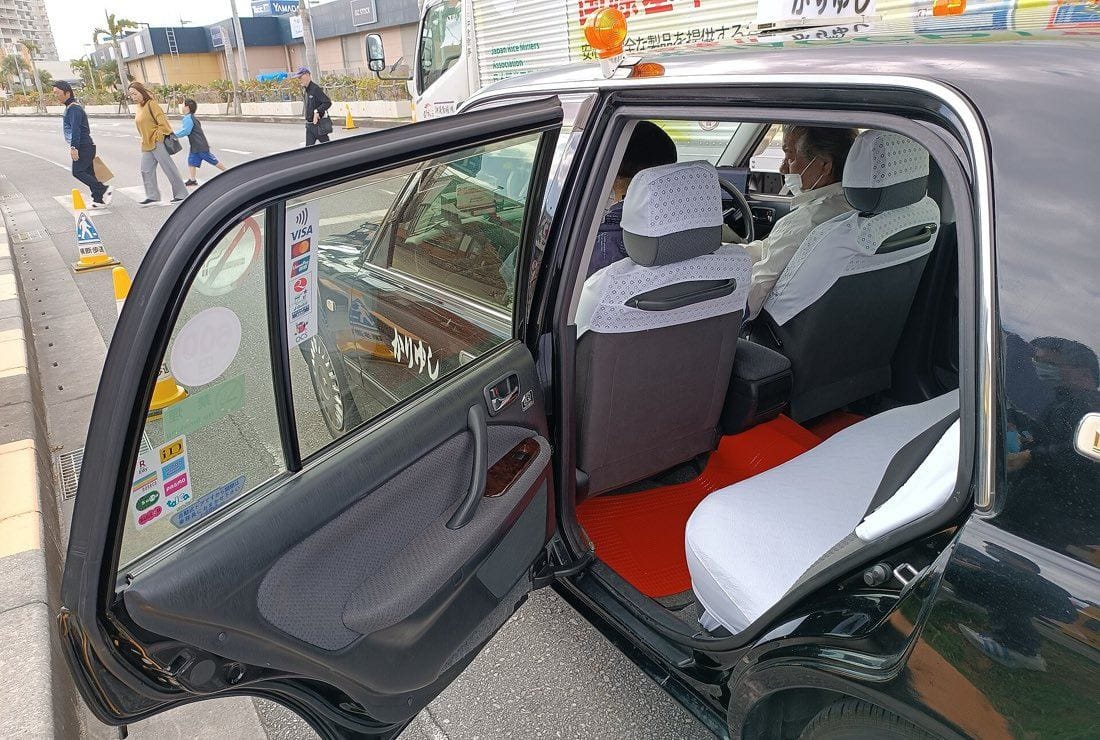
Photo: Naha Mama Pavilionz / Wikimedia Commons (CC0)
Getting one
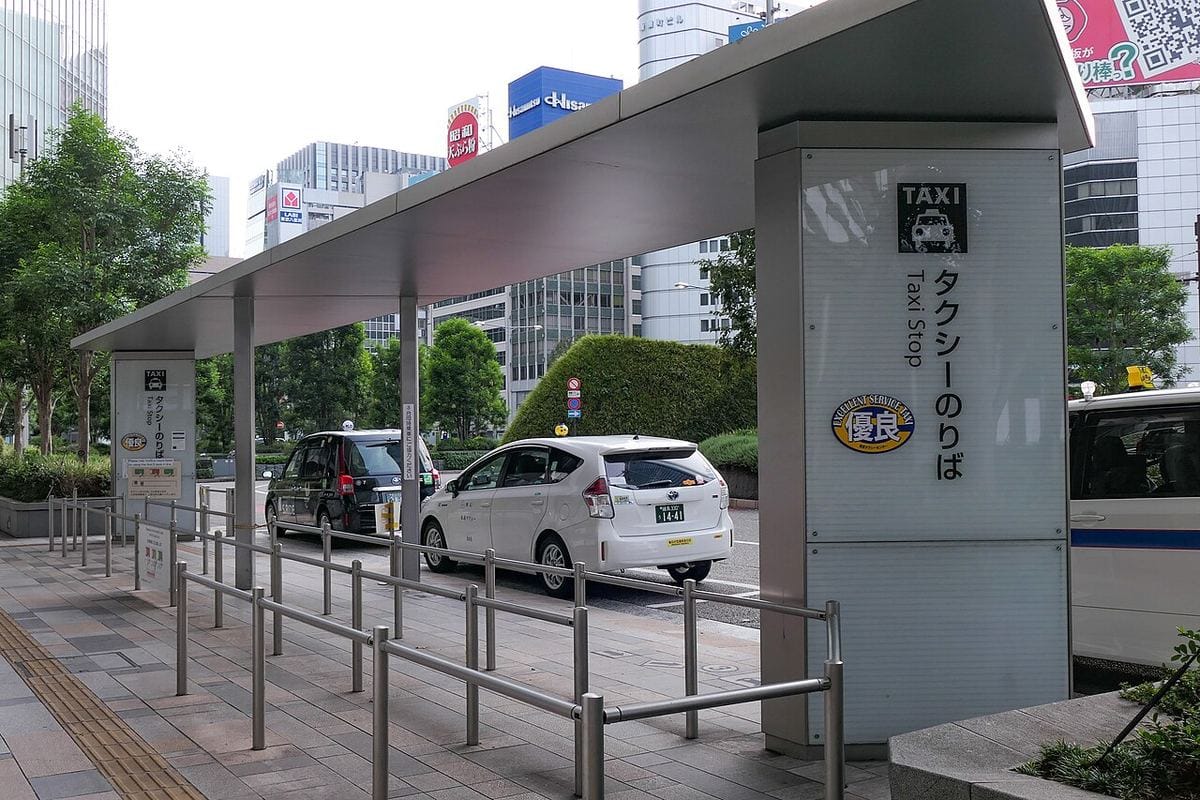
Step by step
Use a taxi stand at stations and hotels, or raise your hand on the street.
A red sign in the windscreen saying 空車 (kūsha) means the taxi is free.
Ride-hailing apps such as GO also work in English in many cities.
Common mistakes
- Waving at a taxi showing 賃走 or 迎車 — it's already taken.
The doors open by themselves
Step by step
Step back from the rear left door: the driver opens it with a lever.
Get in and leave the door — it closes by itself too.
Common mistakes
- Pulling the door open or slamming it shut yourself.
Showing where you're going
Step by step
Show the address in Japanese or a map pin on your phone.
A phone number of the place works well too: drivers can enter it in their navigation.
Common mistakes
- Saying only the English name of a hotel or a small restaurant.
Good to know: Each place on HAKOBUNE Spot has a card with its address in Japanese — show it to the driver.
Paying
Step by step
The fare is shown on the meter.
Cards and IC cards are common in cities, but not every taxi takes them — ask before you get in.
Wear your seatbelt in the back too. No tip.
Common mistakes
- Getting into a rural taxi without cash.
Sources
Sources (checked 2026-11-04). Facts, numbers and prices on this page come from these official pages.
- Japan National Tourism Organization (JNTO)Getting Around Japan(opens in a new tab)JNTO: getting around Japan by train, bus and more
 NextLuggage: lockers & forwarding
More in this section
 Arriving & leaving JapanImmigration and customs on arrival, and the departure tax.
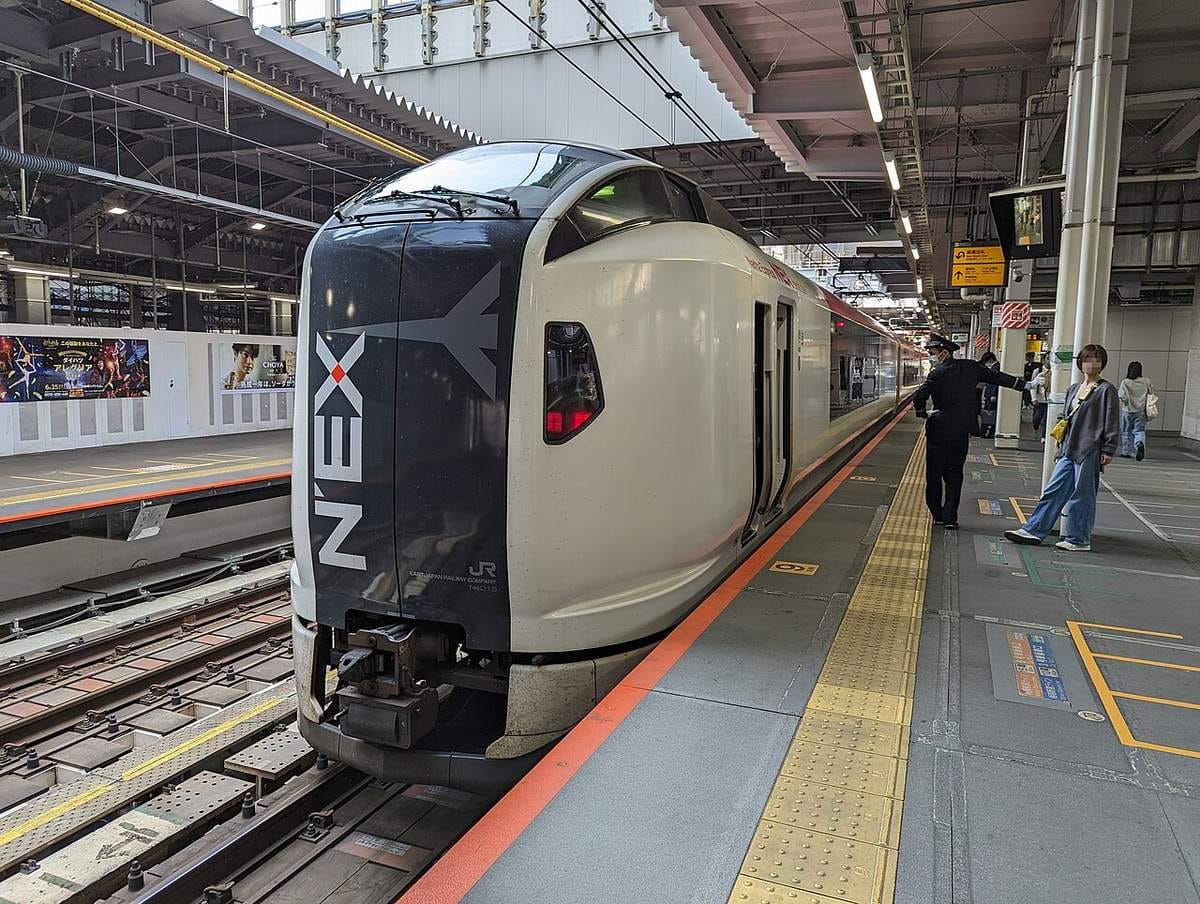 Airport to the cityTrains, buses or a taxi from Narita, Haneda and Kansai.
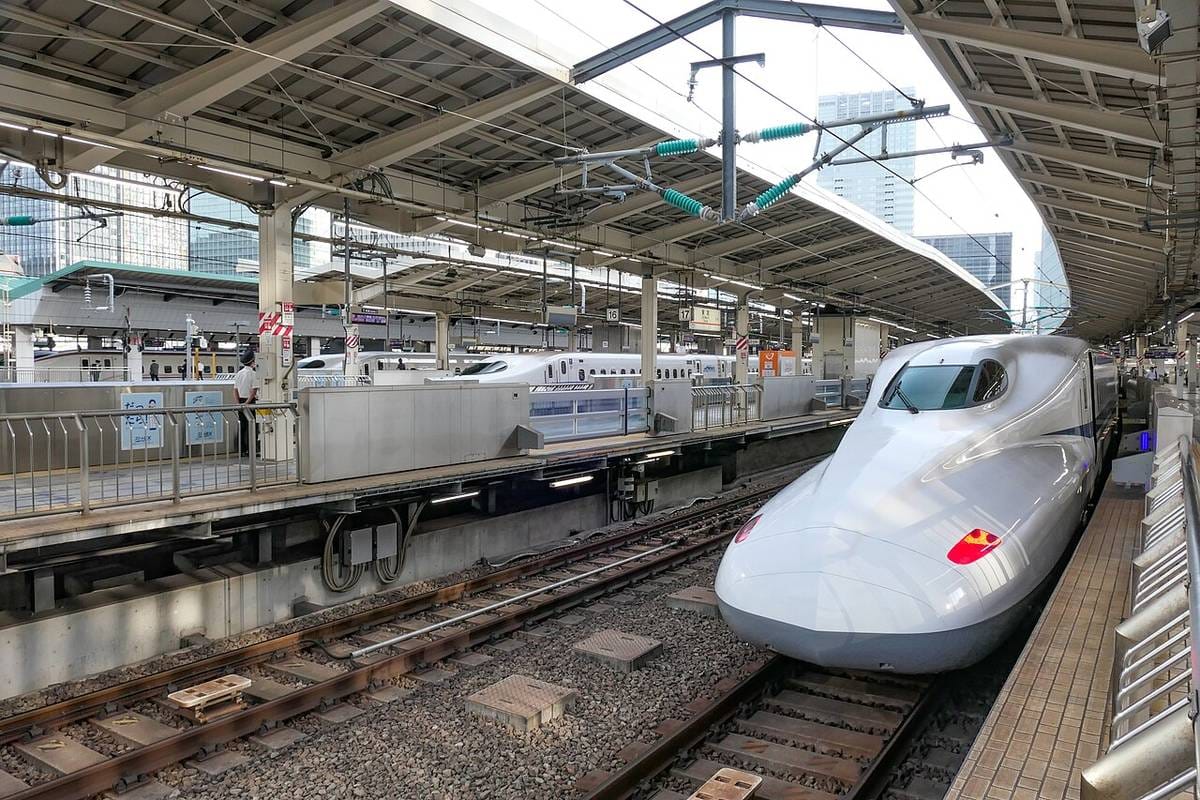 Trains & stationsQueues on the platform, quiet carriages and priority seats.
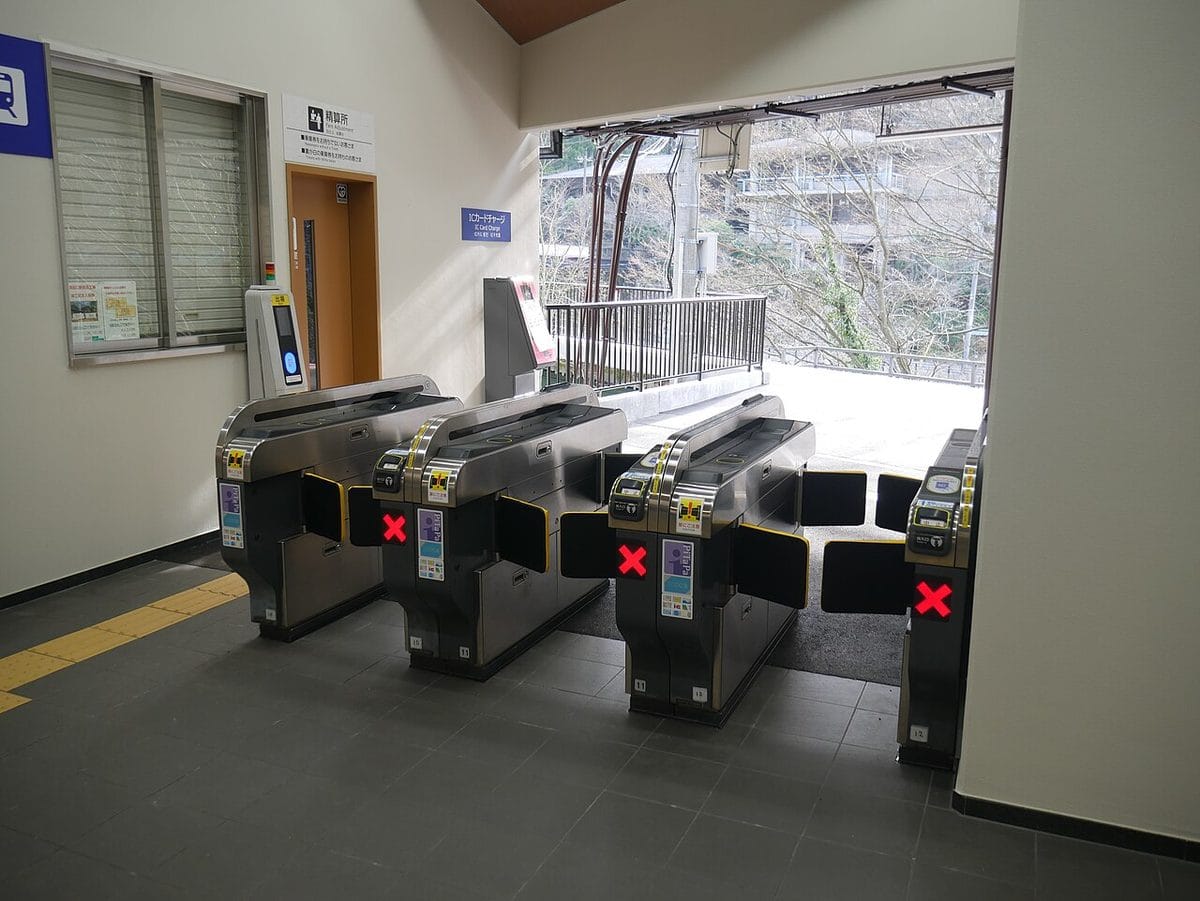 IC cards (Suica, PASMO, ICOCA)Which card to get, tapping through the gate, topping up.
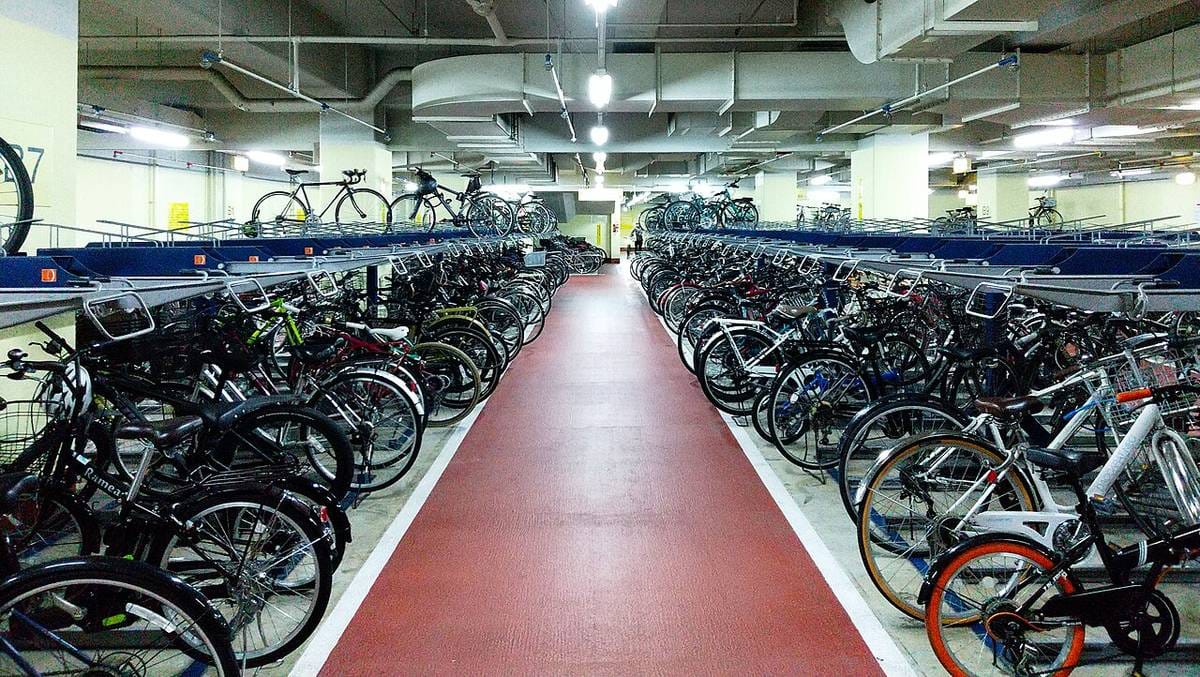 Driving & cyclingWhich licence you need, driving on the left, and the cycling rules.
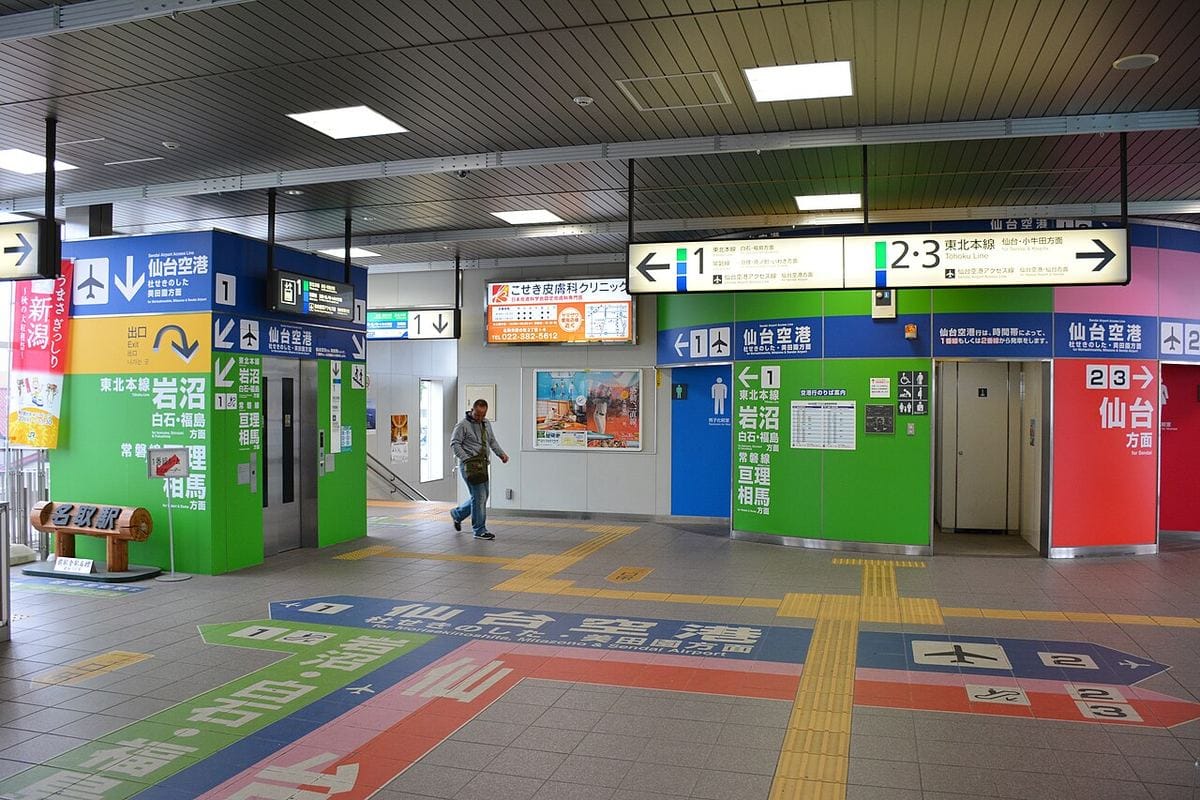 Accessible travelWheelchair help on trains, elevators, accessible toilets and taxis.
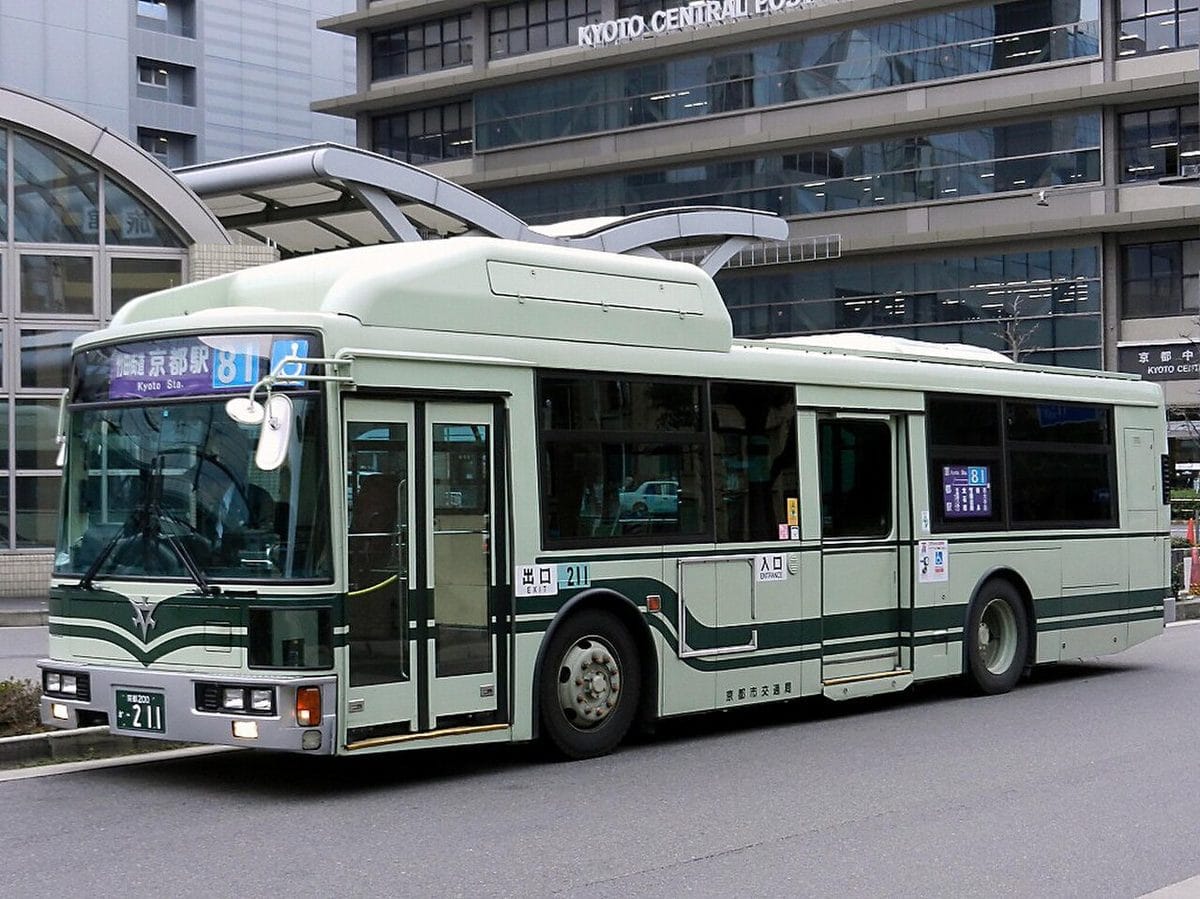 Local busesWhich door, the numbered ticket, and paying when you get off.