Getting around
Local buses
City and country buses don't all work the same way. In some cities you get on at the back and pay at the front when you get off; elsewhere you pay as you board. Watch which door people use, and have an IC card or coins ready.
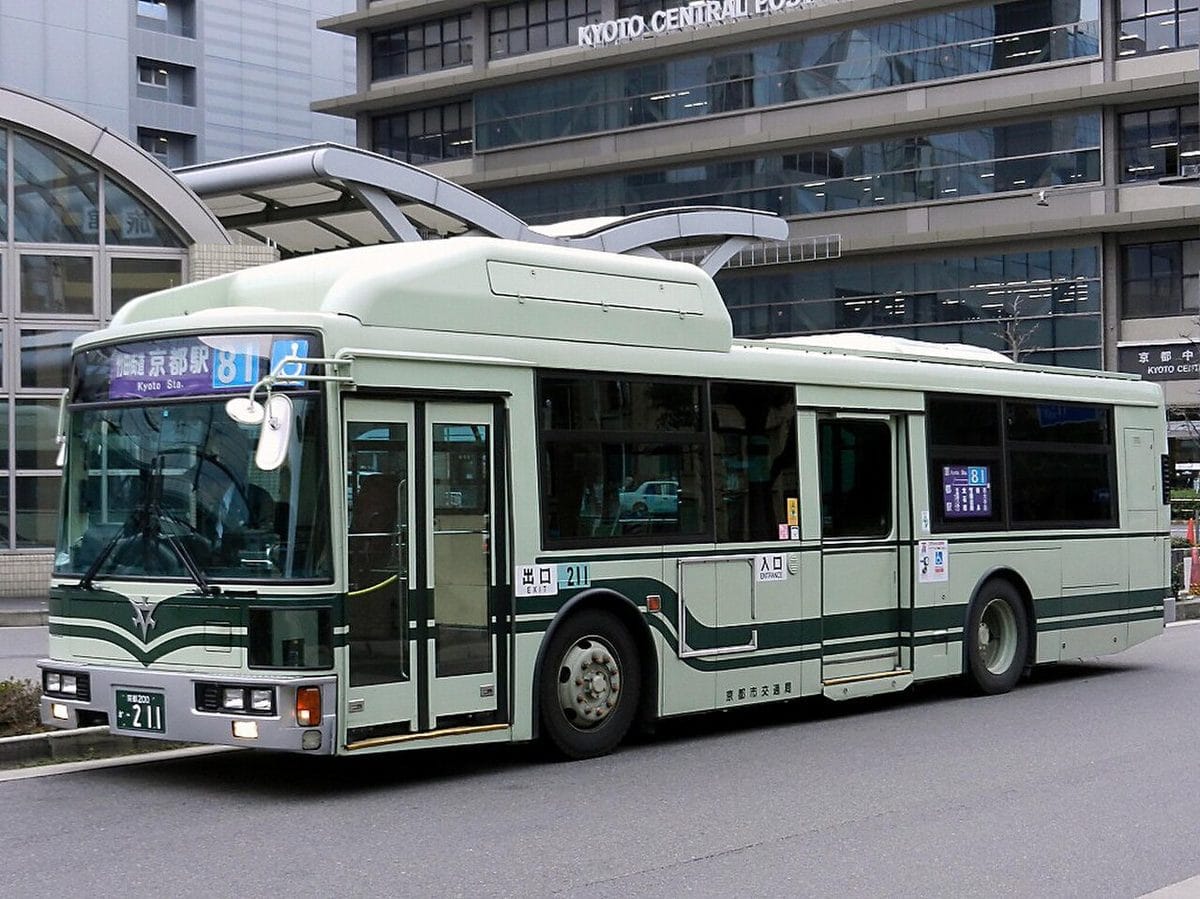
Photo: Mutimaro / Wikimedia Commons (CC BY-SA 3.0)
Getting on
Step by step
Check the route number and destination on the front of the bus.
Get on by the door marked 入口 (entrance) — the one other passengers use. In many cities it is the back door.
Tap your IC card on the reader by the door, or take a numbered ticket (整理券, seiriken) if there's a machine.
Common mistakes
- Forgetting to tap your IC card when you get on — tell the driver where you boarded when you get off.
On the bus
Step by step
Watch the fare board at the front. Your fare is shown under your ticket number.
Press the stop button (とまります) before your stop.
Stay seated until the bus has stopped.
Common mistakes
- Walking to the front while the bus is still moving.
Paying and getting off
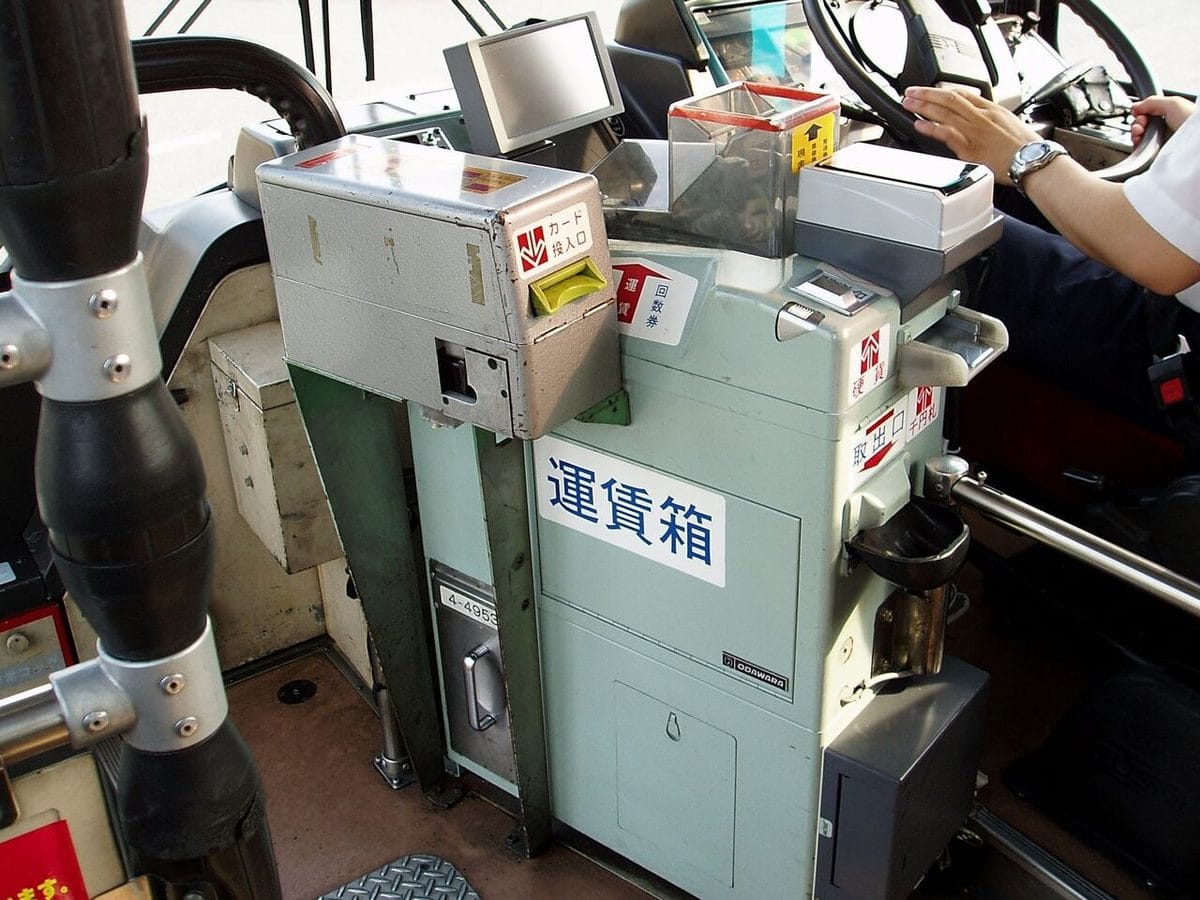
Step by step
At the front, tap your IC card — or put your ticket and the exact fare into the fare box.
No coins? Use the change slot on the fare box before your stop — it takes 1,000 yen notes.
Get off by the front door.
Common mistakes
- Expecting change from the fare box — use the change slot first.
- Trying to pay with a 10,000 yen note on the bus.
Good to know: If your IC card balance is too low, tell the driver — on many buses you can pay the rest in cash.
Sources
Sources (checked 2026-11-05). Facts, numbers and prices on this page come from these official pages.
- Local governmentTaking the Kyoto City Bus(opens in a new tab)Kyoto City: how to ride the city bus
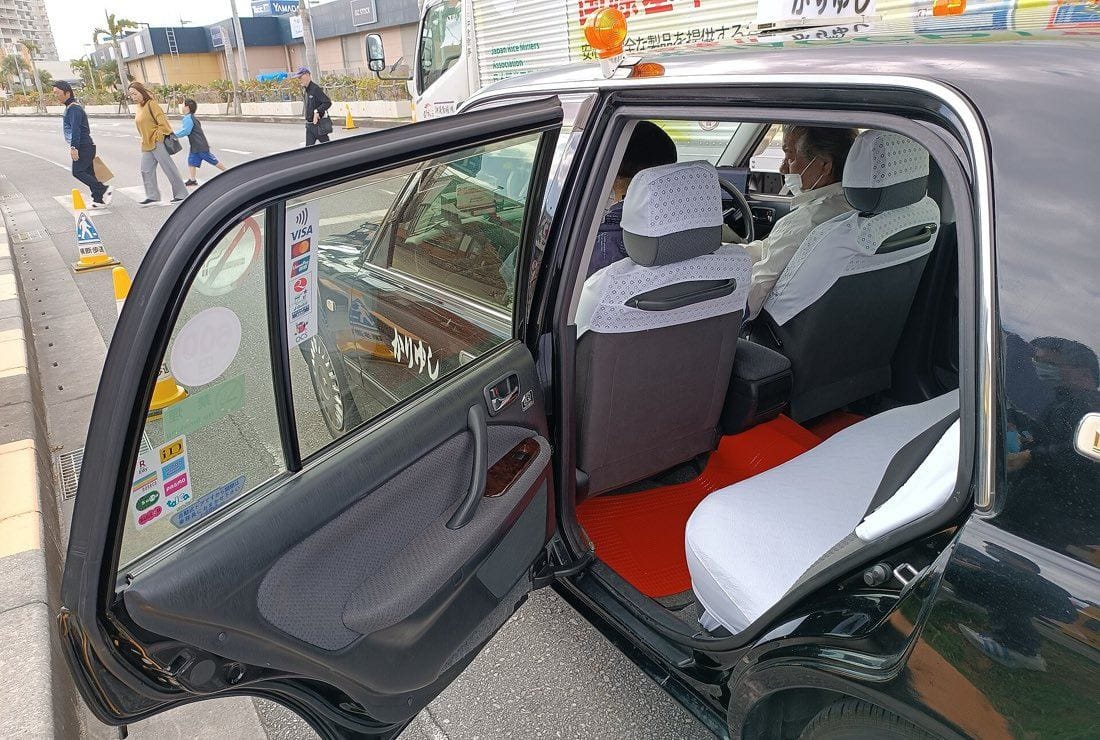 NextTaxis
More in this section
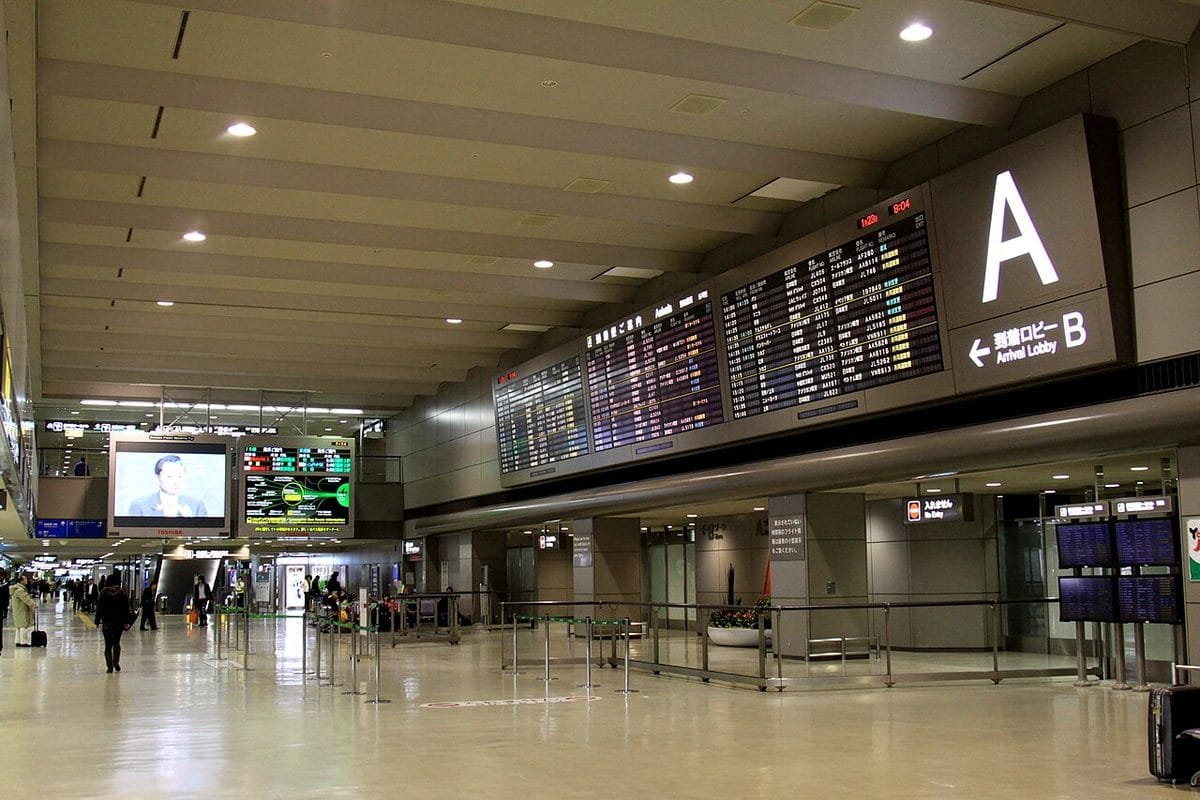 Arriving & leaving JapanImmigration and customs on arrival, and the departure tax.
 Airport to the cityTrains, buses or a taxi from Narita, Haneda and Kansai.
 Trains & stationsQueues on the platform, quiet carriages and priority seats.
 IC cards (Suica, PASMO, ICOCA)Which card to get, tapping through the gate, topping up.
 Driving & cyclingWhich licence you need, driving on the left, and the cycling rules.
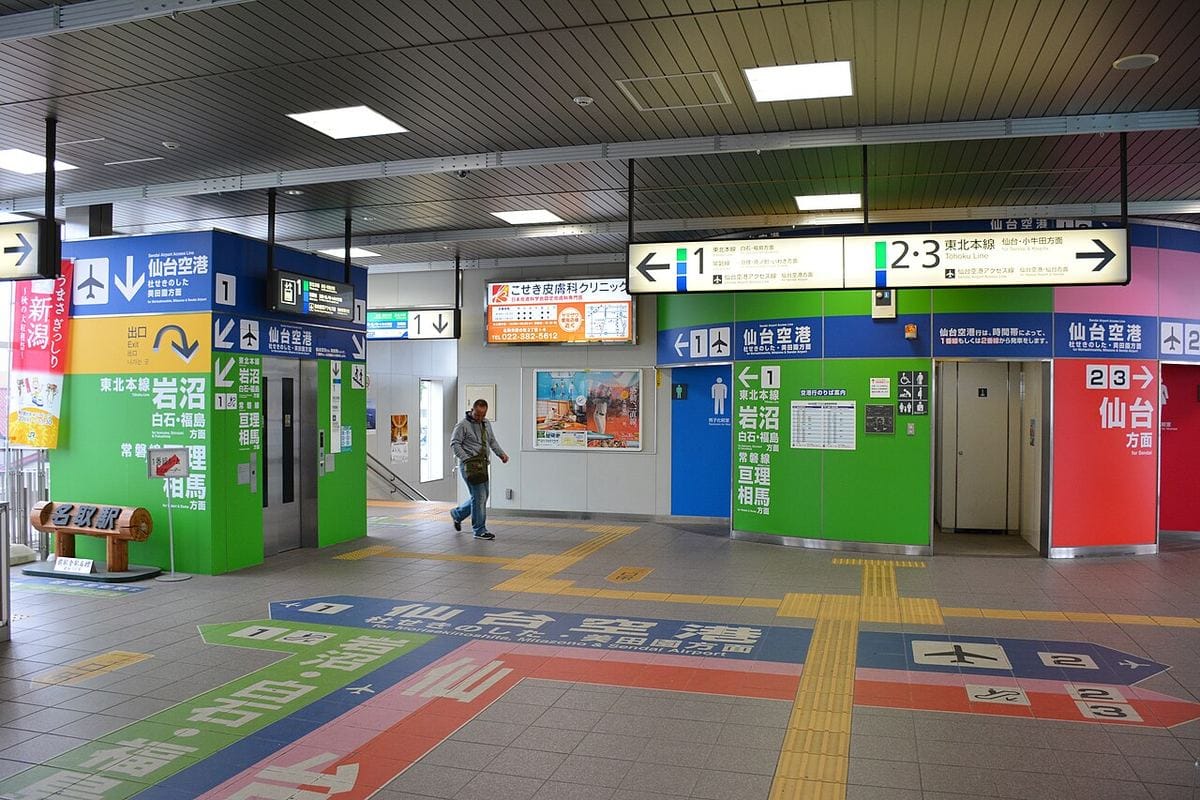 Accessible travelWheelchair help on trains, elevators, accessible toilets and taxis.
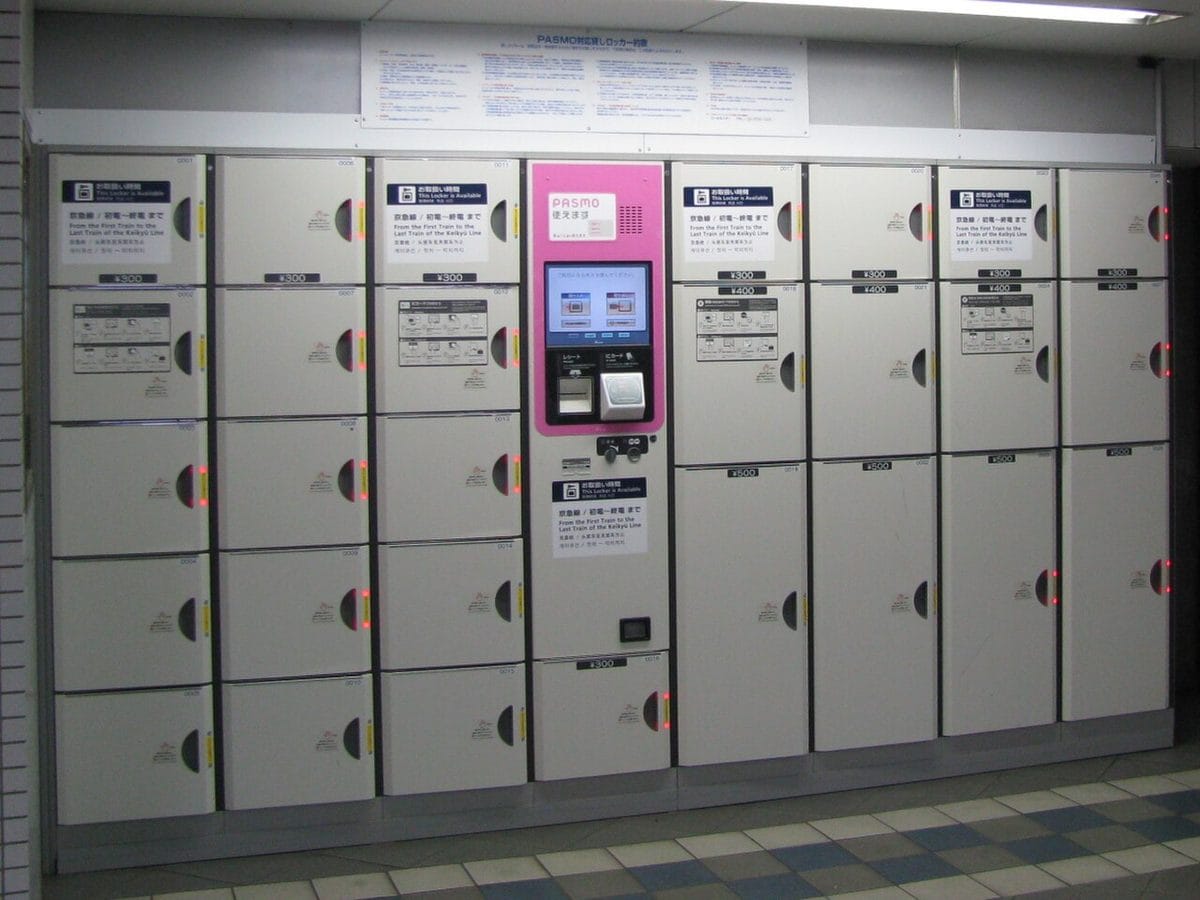 Luggage: lockers & forwardingCoin lockers, sending bags ahead, and big suitcases on trains.