If something goes wrong
Heatstroke
Japanese summers are hot and humid. Heatstroke can come on fast, even in the city — feeling dizzy, sick or stopping sweating are warning signs.
If someone feels unwell
Step by step
Move them to somewhere cool: an air-conditioned shop, station or the shade.
Loosen their clothes and cool the neck, armpits and groin with cold drinks or wet towels.
Give water or a sports drink if they can drink on their own.
Call 119 if they can't drink by themselves, are confused or lose consciousness.
Common mistakes
- Waiting to see if it passes when the person can't drink.
Heat alerts
From late April to late October, Japan issues a Heatstroke Alert (熱中症警戒アラート) on very hot days, and a Special Heatstroke Alert when it's extreme. On those days stay in air conditioning in the afternoon and keep drinking.
Staying cool
Step by step
Drink before you feel thirsty — vending machines are everywhere.
Wear a hat, take breaks in shops and stations.
Plan outdoor sightseeing for the morning or evening.
Common mistakes
- Long walks between shrines in the midday sun without water.
Find one near you
Opens your map app and searches around where you are. The Japanese is there to show someone if you need directions.
- HospitalHospitals and clinics around you
病院byōin
Official help
On HAKOBUNE Spot
Cool down: cafés and sweet shops where you can sit inside.
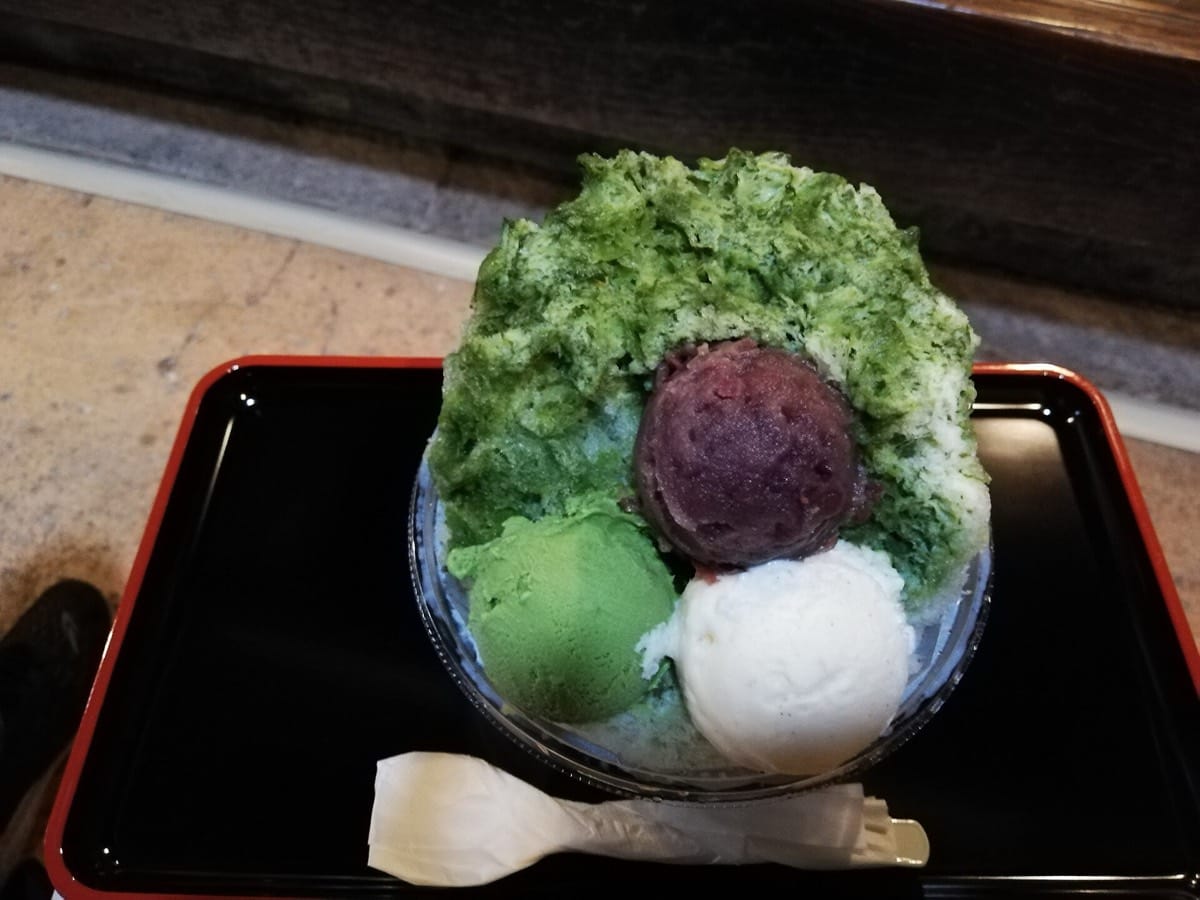
CafésNara
Yuzuriha Japanese Sweets Café
A sweets café for warabi mochi made with real bracken starch, and Yamato tea.
from ¥800Open now · until 17:00
- Gives back
- Vegetarian
- English OK
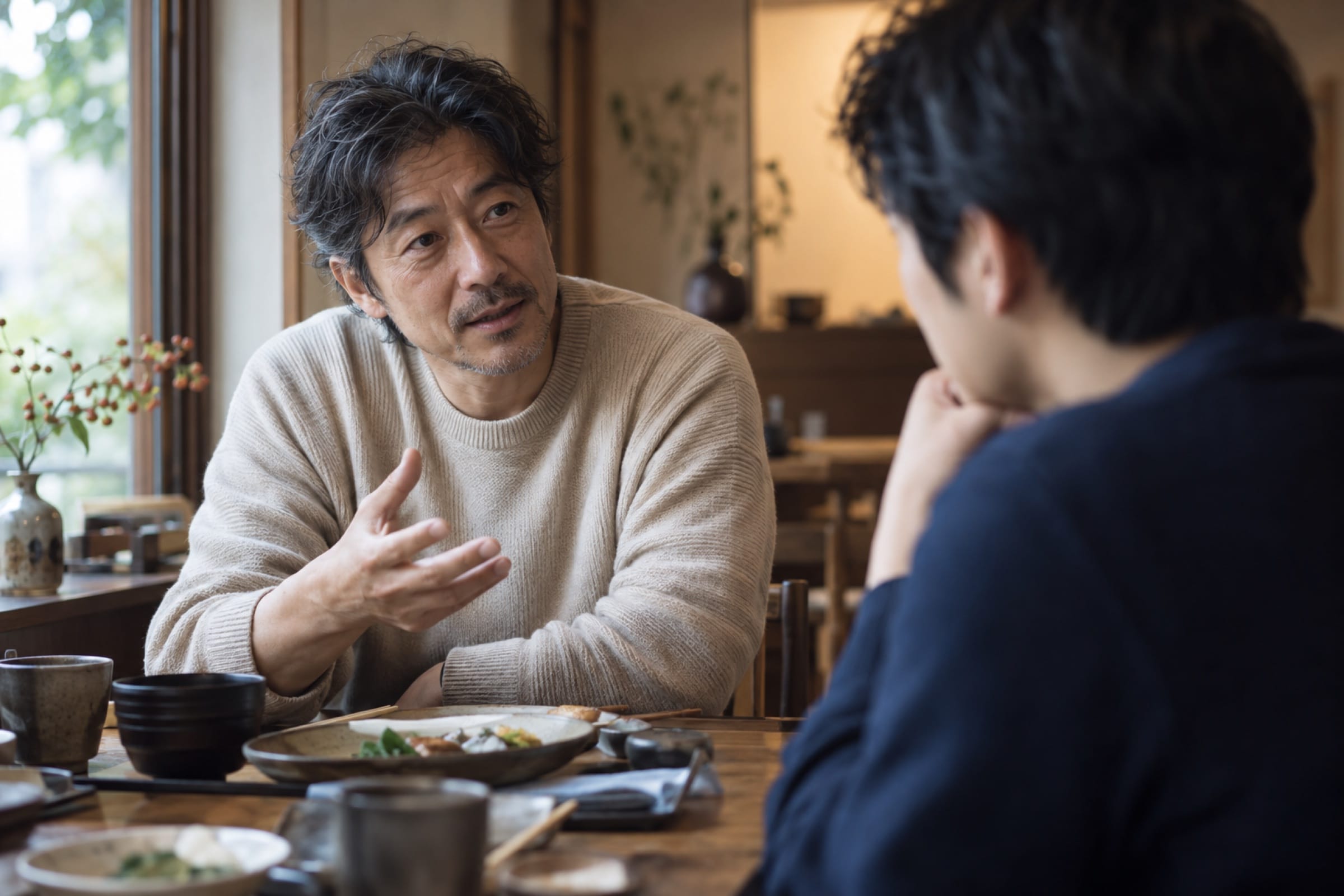
CafésYanaka, Tokyo
Tsukiakari Coffee
A coffee house halfway up a Yanaka slope, open until 10 pm.
from ¥800Open now · until 22:00
- Gives back
- Vegetarian
- English OK
Sources
Sources (checked 2026-11-04). Facts, numbers and prices on this page come from these official pages.
- Ministry of Health, Labour and Welfare熱中症が疑われる人を見かけたらJapanese(opens in a new tab)Ministry of Health: what to do if someone may have heatstroke
- Ministry of the EnvironmentHeat Stroke Alert(opens in a new tab)Ministry of the Environment: heatstroke alerts
- Japan Tourism AgencyInformation on illnesses, injuries, and disasters(opens in a new tab)Japan Tourism Agency: help with illness, injury and disasters
- Japan National Tourism Organization (JNTO)Japan Visitor Hotline(opens in a new tab)JNTO: the 24-hour Japan Visitor Hotline for travellers
More in this section
- Calling 110 & 119Which number to call, and what the operator will ask.
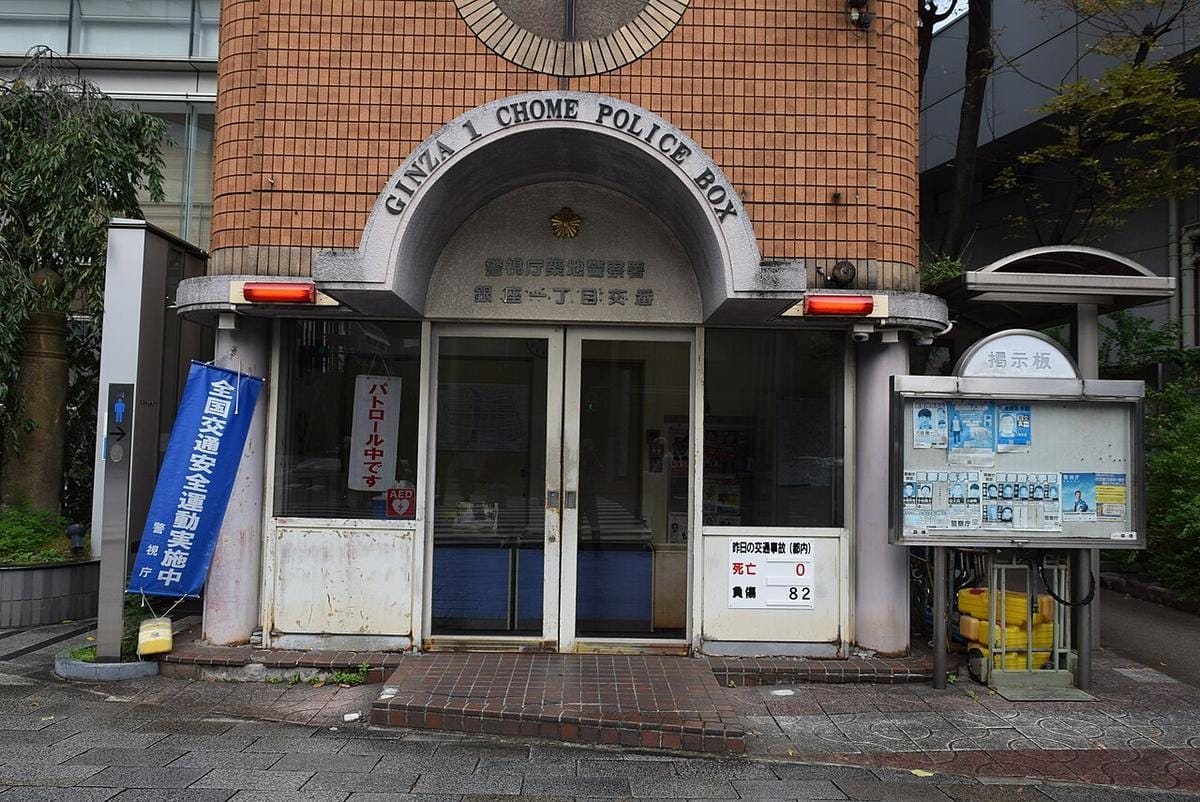 Police & lost thingsPolice boxes, reporting a theft and finding lost property.
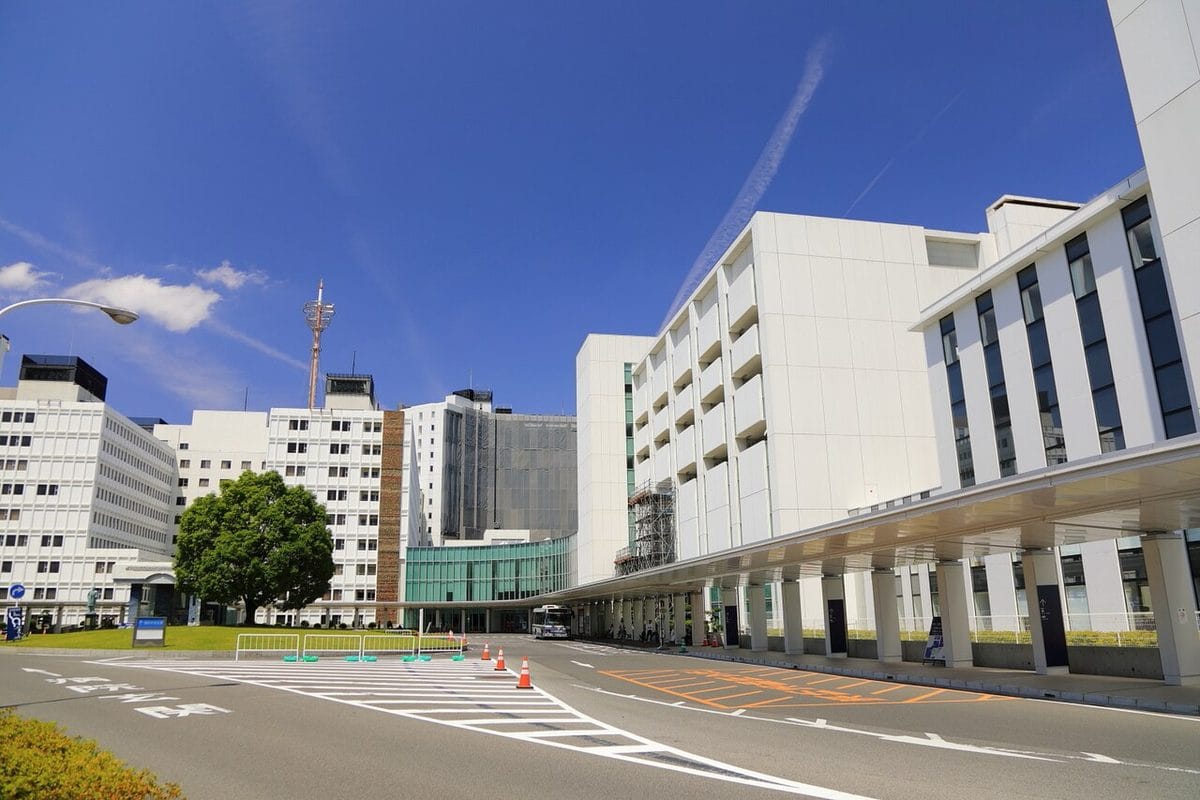 Hospitals & clinicsWhere to go when you're ill, and what to bring.
- Pharmacies & medicineDrugstores vs pharmacies, and bringing your own medicine.
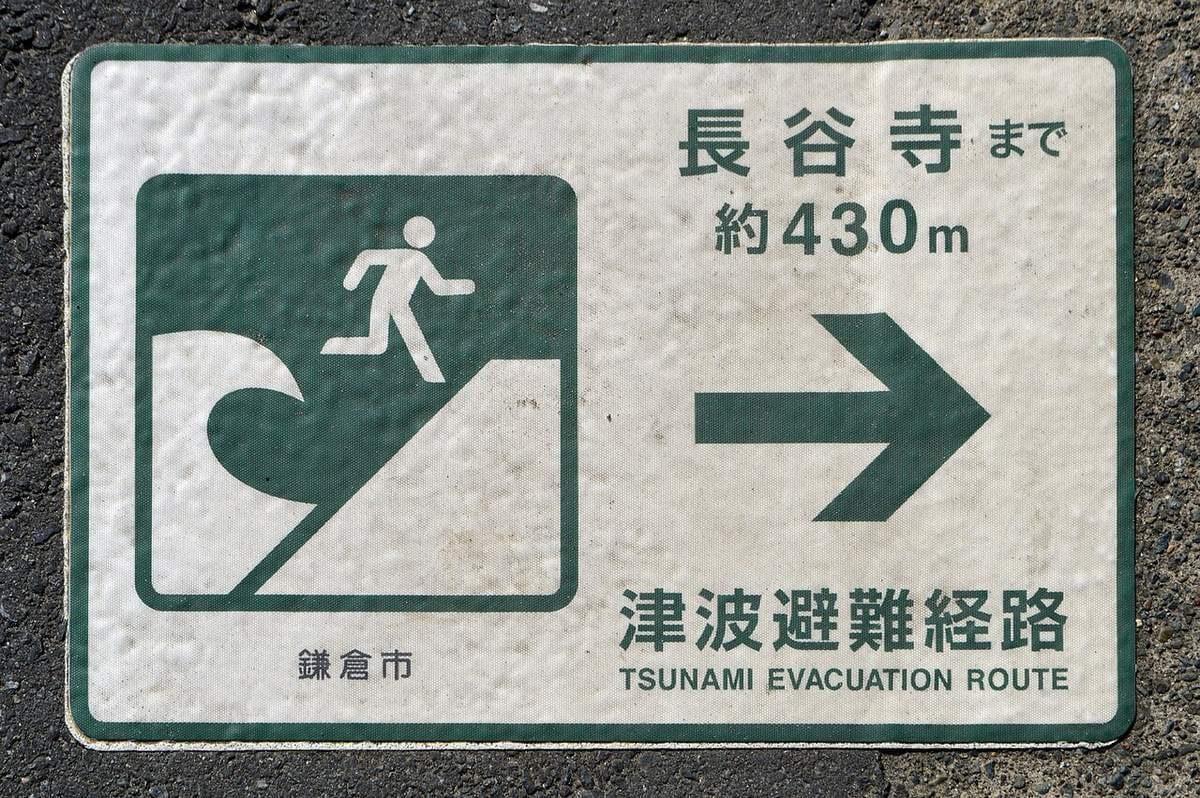 Earthquakes & evacuationWhat to do during the shaking, after it, and if a tsunami is coming.
- Lost passportPolice report first, then your embassy.