Out and about
Bowing, quiet & toilets
A few everyday habits make life smoother — and the buttons on a Japanese toilet are much less confusing once you can read a few labels.
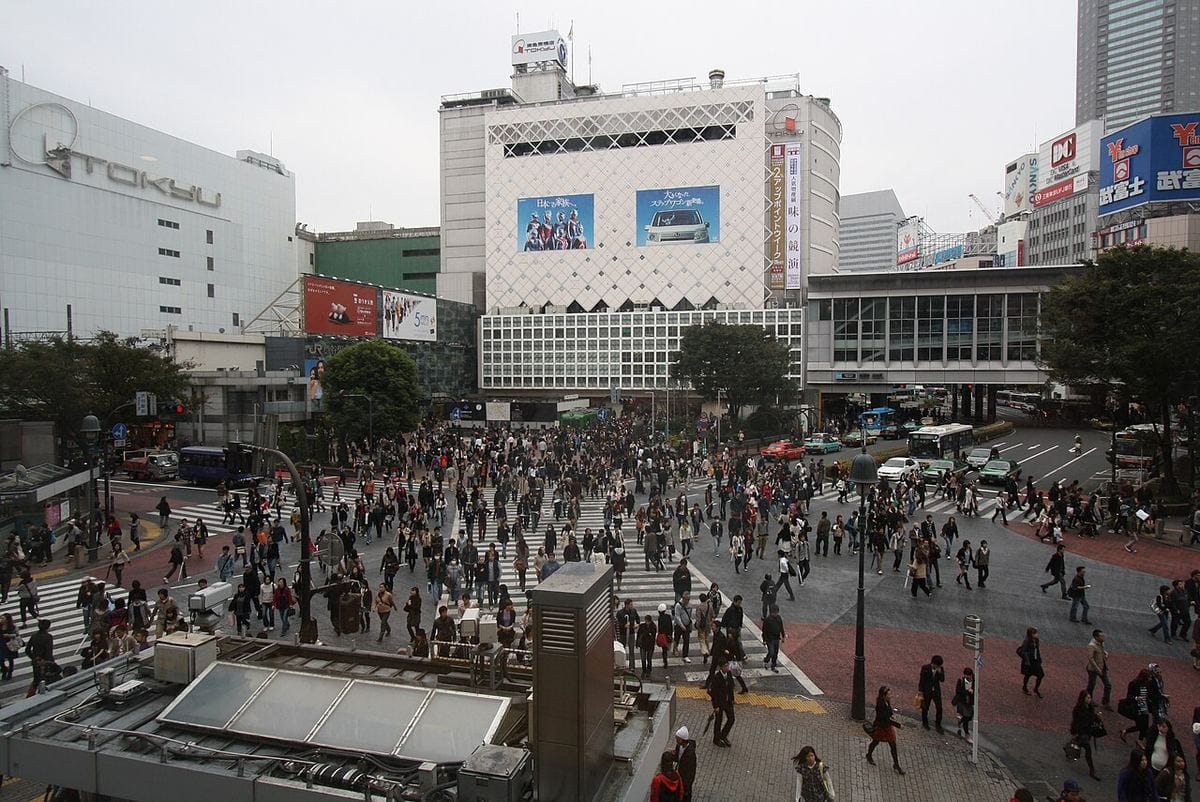
Photo: Kojach / Wikimedia Commons (CC BY 2.0)
Bowing and greetings
Step by step
A small nod of the head works for hello, thank you and sorry.
Shop staff bow to you — a nod or “arigatō” is plenty in reply.
Handshakes are fine with visitors; hugs and touching are unusual with people you've just met.
Common mistakes
- Bowing very deeply for an everyday thank-you — a small nod is the usual size.
Voices and queues
Step by step
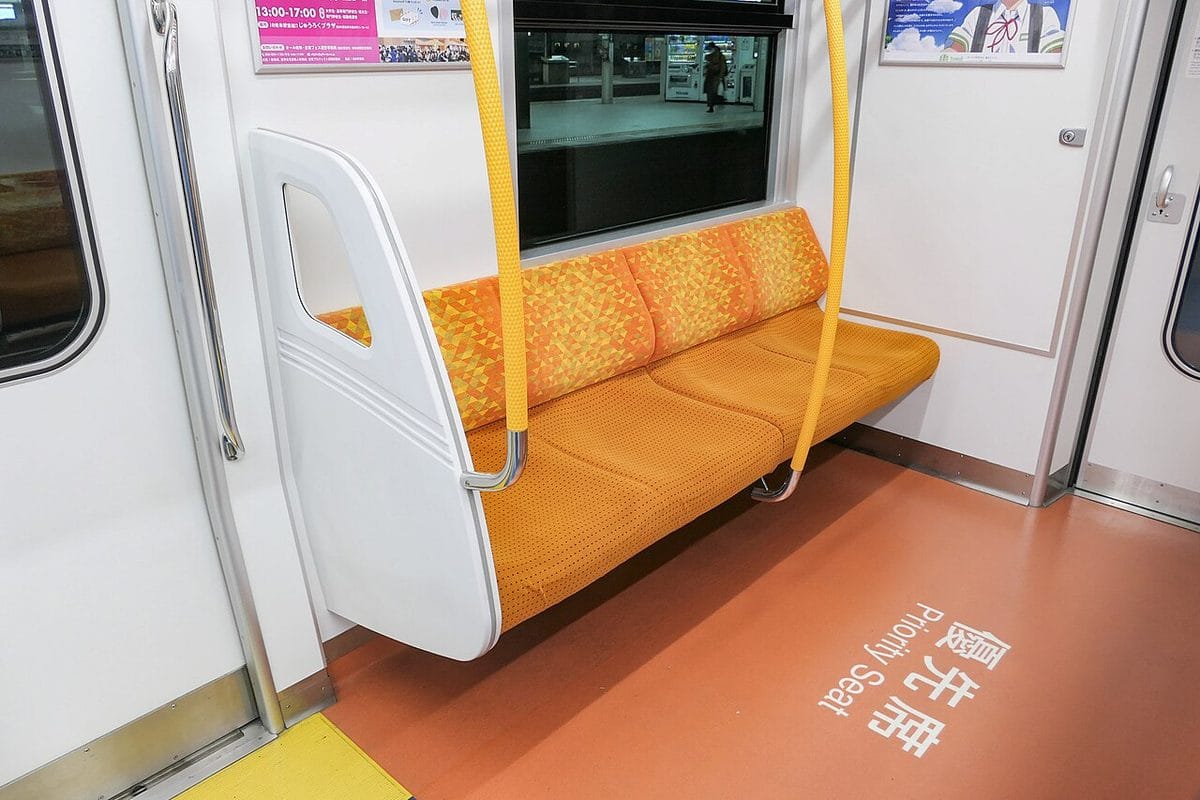
Talk at an indoor volume on trains, in shops and in residential streets at night.
Queue in a line for trains, buses, lifts and counters — people wait in order.
Walking while eating is unusual in many places; stand by the stall to finish.
Common mistakes
- Stepping into the middle of a queue that runs along a wall.
Toilets
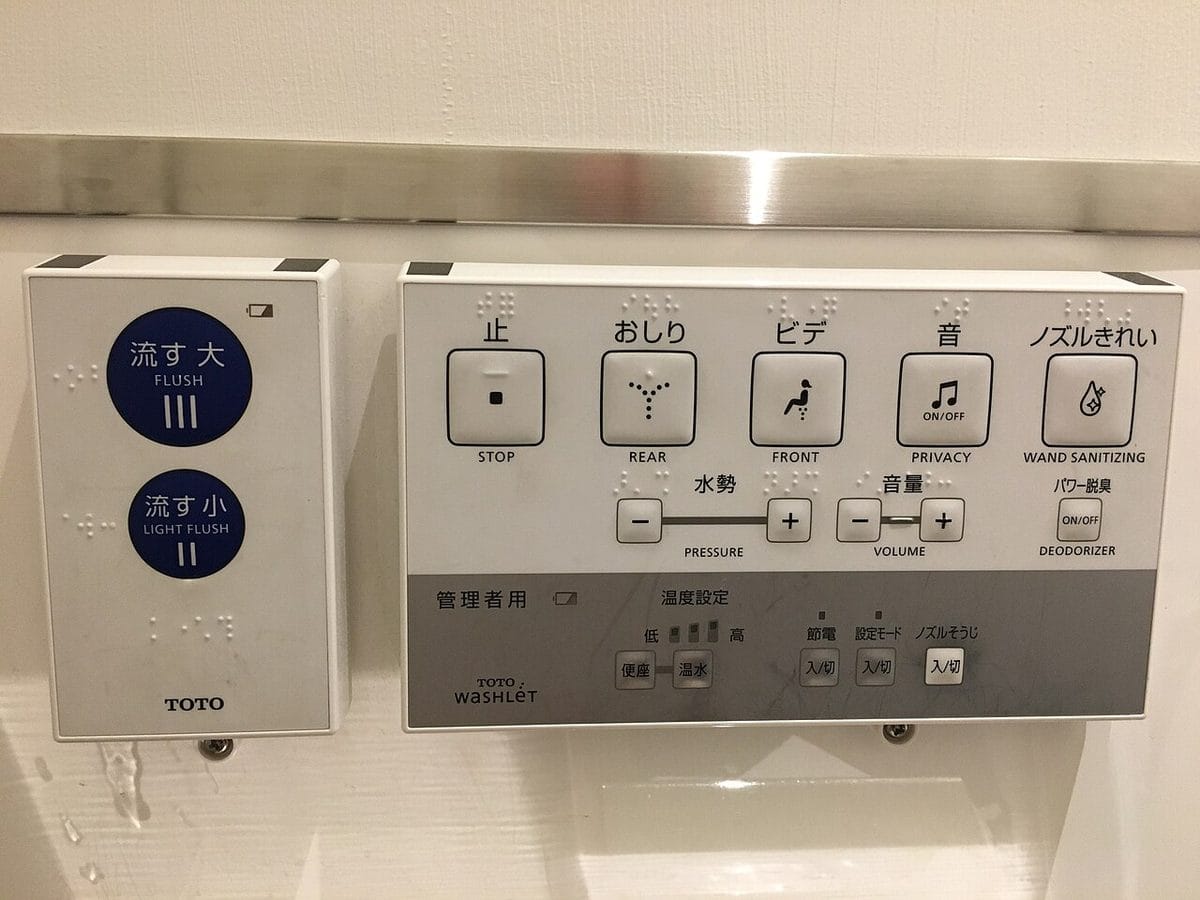
Many toilets have a control panel. The buttons you need:
- 止 (tomeru): stop.
- おしり (oshiri): rear wash. ビデ (bide): front wash.
- 流す (nagasu) or 大/小: flush. Sometimes it's a lever or a sensor on the wall.
- Toilet paper goes in the toilet. Other things go in the small bin.
Common mistakes
- Pressing the emergency call button (呼出 or 非常, often a separate button on the wall) thinking it flushes.
- Putting paper towels or sanitary products down the toilet.
Smoking
Since 2020, smoking indoors in restaurants and public buildings is banned except in smoking rooms. Some small, older bars and restaurants may still allow smoking — they must show a sign such as 喫煙可 at the entrance. Many city streets ban smoking while walking too.
Step by step
Look for a smoking area (喫煙所, kitsuenjo) with an ashtray.
Use a portable ashtray if you smoke outdoors where it's allowed.
Common mistakes
- Smoking while walking on a busy street.
Sources
Sources (checked 2026-11-04). Facts, numbers and prices on this page come from these official pages.
- Japan National Tourism Organization (JNTO)Japanese Customs and Etiquette (Responsible Travel Guide)(opens in a new tab)JNTO: Japanese customs and etiquette for responsible travel
- Ministry of Health, Labour and WelfareRevised Health Promotion Act (passive smoking)(opens in a new tab)Ministry of Health: revised Health Promotion Act on passive smoking
- Ministry of Health, Labour and Welfare既存特定飲食提供施設(小規模飲食店)の経過措置Japanese(opens in a new tab)Ministry of Health: smoking rule exemption for small restaurants